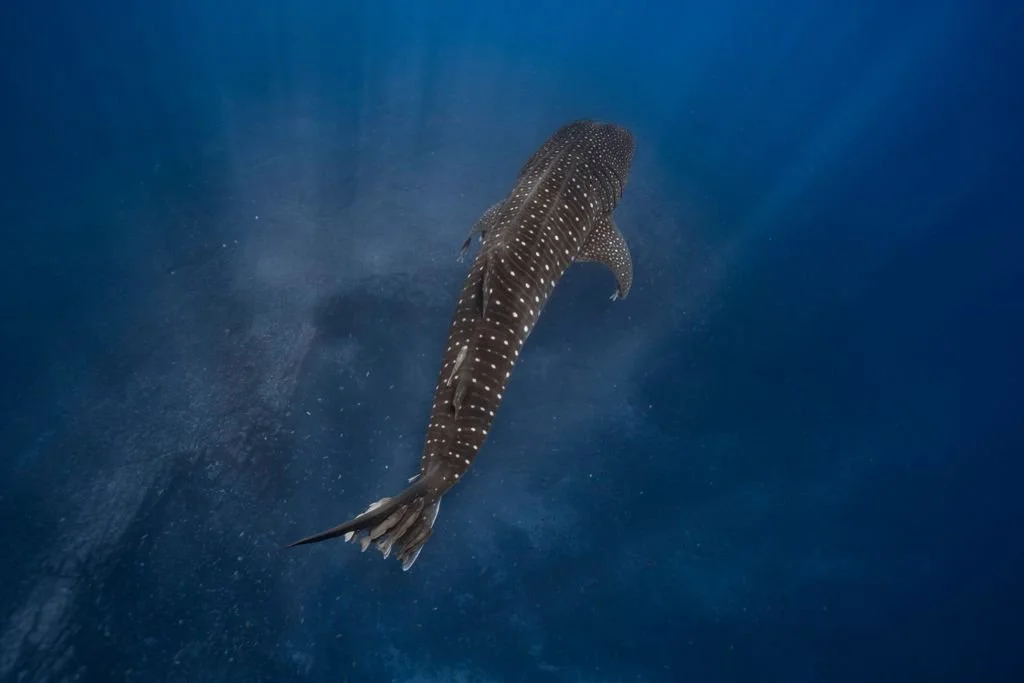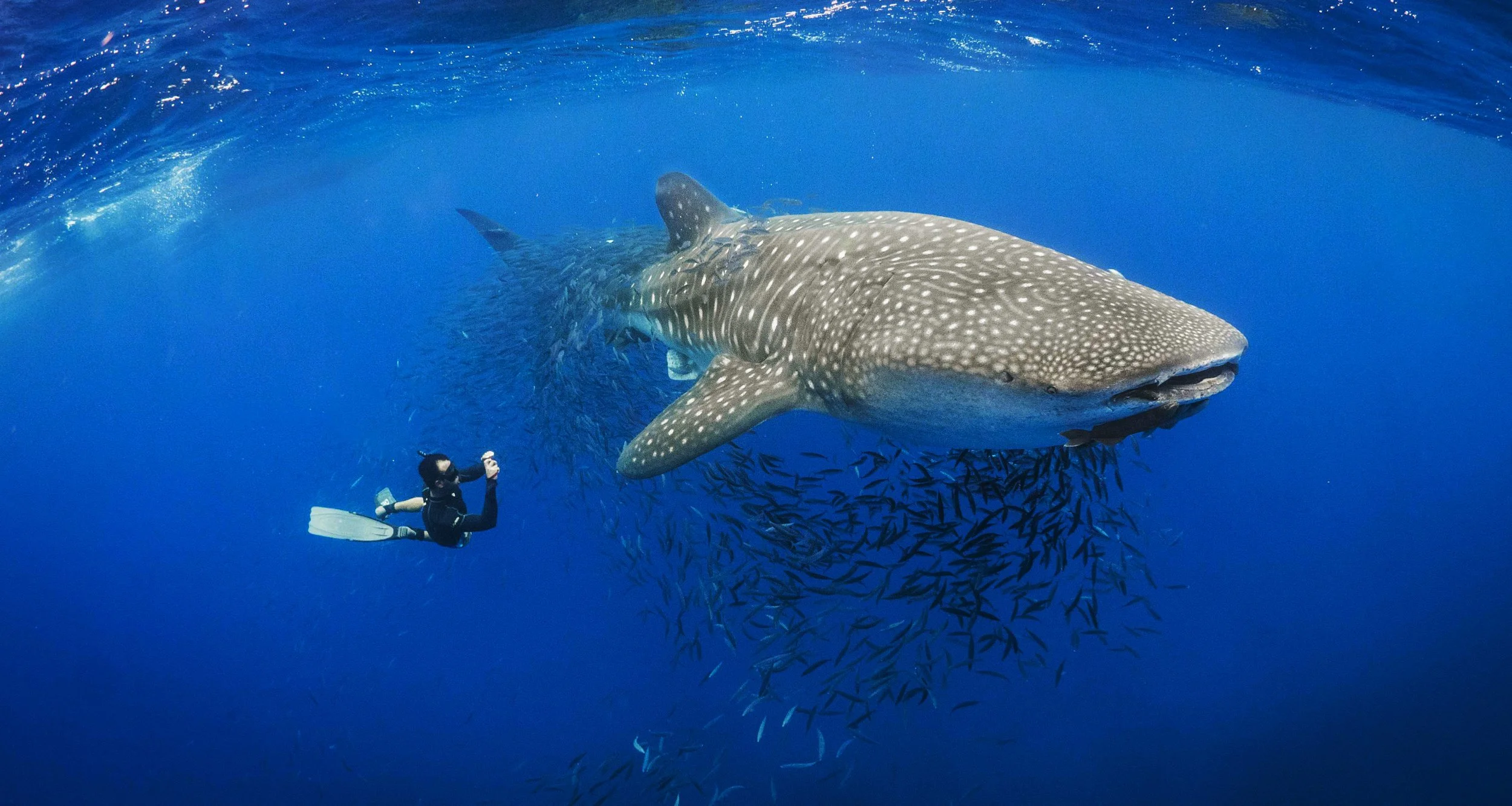
Swimming with Whale Sharks in the South Atlantic



In a Nutshell
When
2027
Tuesday, February 16, 2027 – Tuesday, February 23, 2027
Additional dates for private tours available upon request
Where
Start & End:
Jamestown Airport, St. Helena (airport code HLE).
Important: St. Helena can only be reached by plane. Airlink offers a direct flight from Cape Town every Tuesday. Alternatively, there is a weekly flight from Johannesburg on Saturdays.
Group
Maximum 10 guests + Guide from Moby Wildlife Tours + local guides
Accompaniment
English-speaking guide from Moby Wildlife Tours + local guides
Costs
Double room: EUR 3,790 per person
Single room supplement: + EUR 450
Included
Airport transfers, 5 charter trips to see whale sharks, land excursions, accommodation, group meals, presentations about whale sharks
Exclusive
Personal expenses, insurance, travel to and from Jamestown (HLE), alcoholic beverages, tips
Physical requirements
Be able to swim 100 meters with fins, mask and snorkel
Be able to lift yourself out of the water on a ladder
Dietary intolerances and allergies can be cared for.
Note
This tour is intended for snorkelers. Free and tank diving is not permitted.
-
St. Helena is a remote island in the South Atlantic, around 1,900 km west of the African coast, which has remained hidden to many until today. It is considered one of the most isolated places in the world – not least because, until 2017, the island could only be reached by ship. The rugged volcanic landscape with its steep cliffs, secluded valleys, and deep blue ocean seems like something from another world, making St. Helena a real insider tip for sea lovers and adventurers.
According to current knowledge, St. Helena is the only place in the world where adult whale sharks — between 8 and 12 meters (!) — reliably gather in roughly equal numbers (males and females). This is extraordinary, because other known whale shark hotspots are usually dominated by juvenile animals or have significantly more males. Experiencing these gentle giants in warm, crystal-clear water with visibility of over 30 meters fills even experienced ocean lovers with awe and wonder.
So anyone who travels with us to St. Helena in February will immerse themselves in a world that is both extremely exclusive and incredibly vibrant: crystal-clear water, impressive nature, historic sites, and the unique opportunity to observe whale sharks under fair and respectful conditions—an experience that can undoubtedly be described as a hidden gem of nature.
-
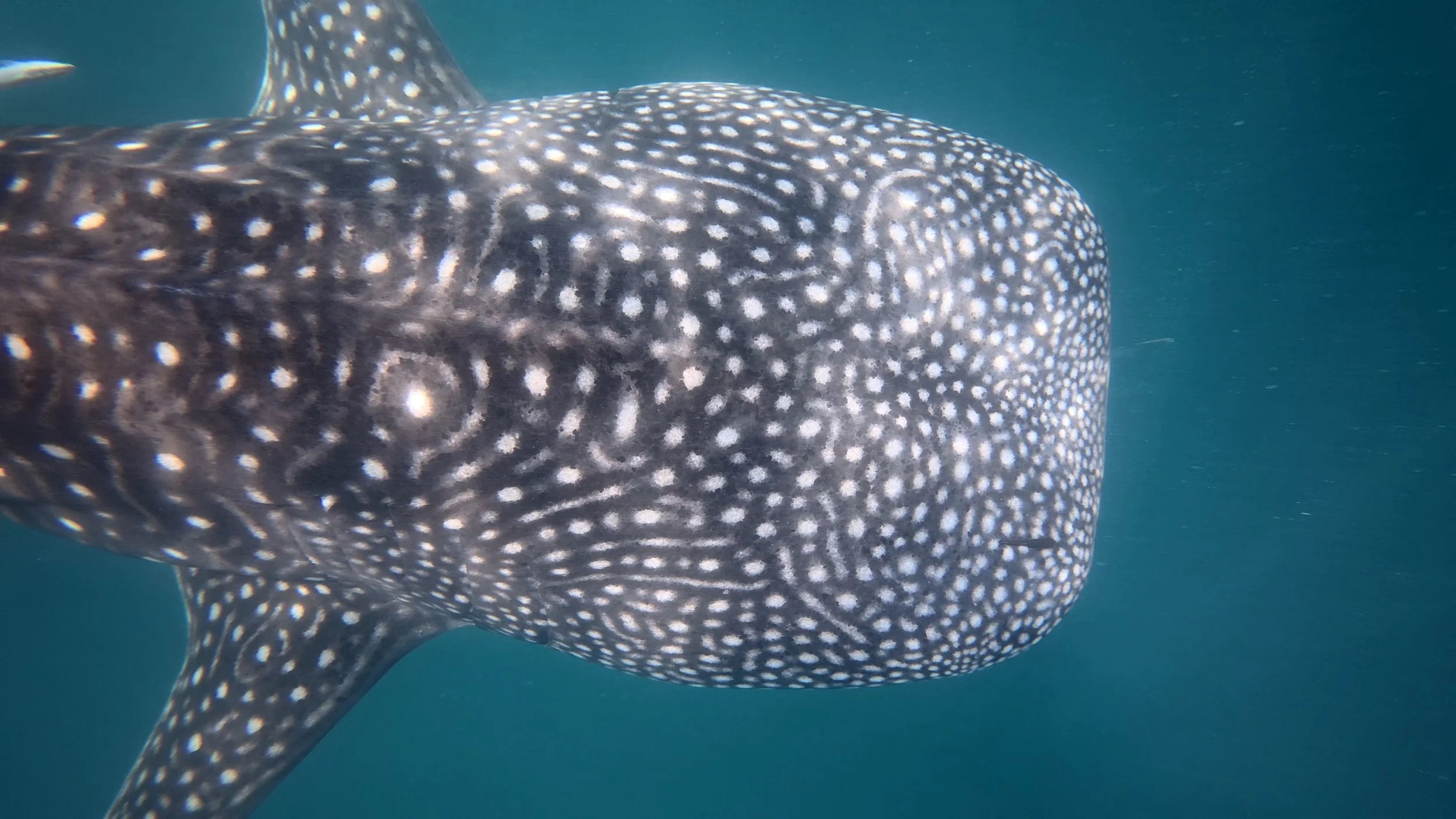
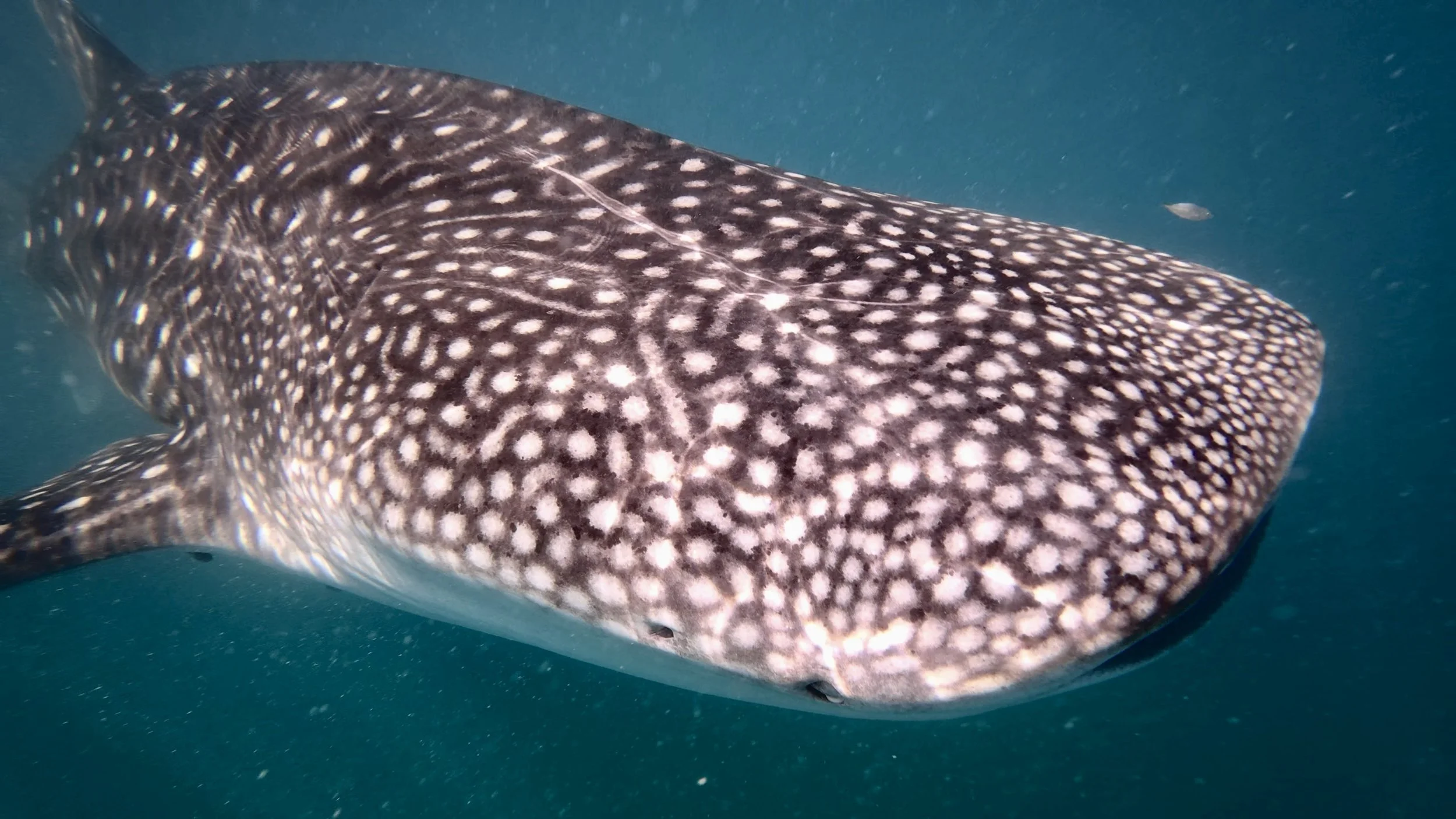
Whale sharks are the largest fish on earth and reach impressive sizes: up to 12 meters in length and weighing several tons. Between December and March, these gentle giants reliably appear around St. Helena — offering a natural experience that is unparalleled anywhere in the world.
What makes St. Helena so extraordinary is that no other known whale shark route attracts such large numbers of adult males and females. At most hotspots around the world, the groups consist mainly of young animals or are dominated by males. Encountering adult animals is therefore an extremely rare and unique phenomenon. And what makes this experience even more intense is that on St. Helena, you are almost always alone on the water — without mass tourism, without crowds, without noise. Just the boat, the ocean, and the whale sharks.
Scientists now suspect that St. Helena plays a special role in the life cycle of whale sharks — possibly even in connection with mating or reproduction. In any case, the large number of adult animals does not seem to be a coincidence.
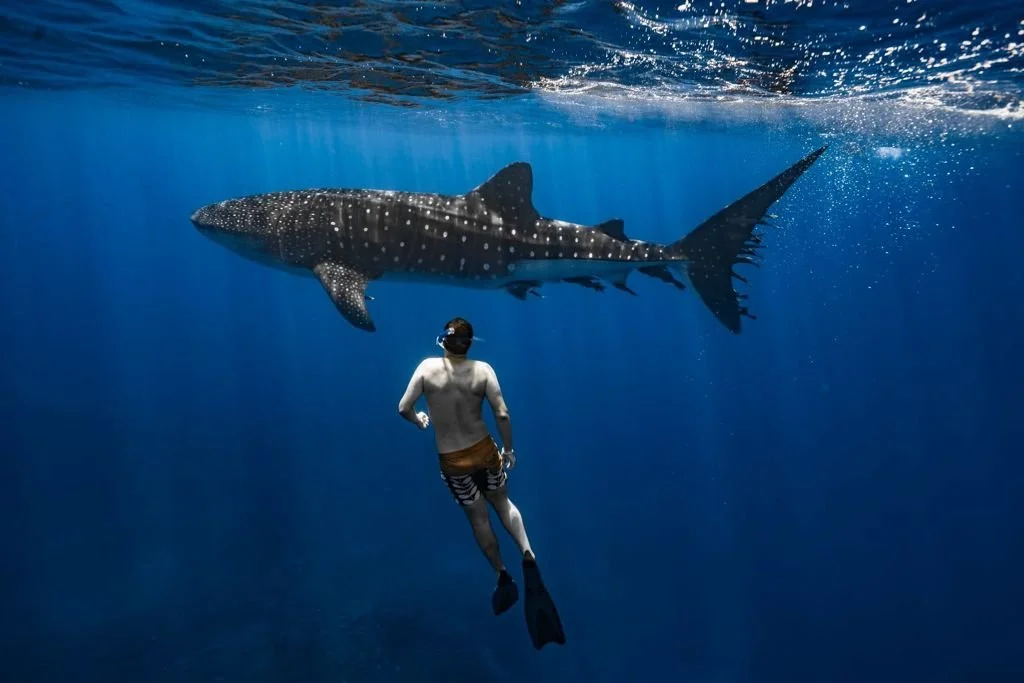
When you slip into the warm, clear water with your mask and snorkel, you experience moments you will never forget. Visibility often extends 30 to 40 meters, the water is a pleasant 23–25 °C, and a whale shark glides leisurely beneath you — calm, dignified, completely unimpressed by your presence. Encounters without feeding, without coercion, without artificial attraction — simply free, wild, and absolutely respectful of the animal.
-
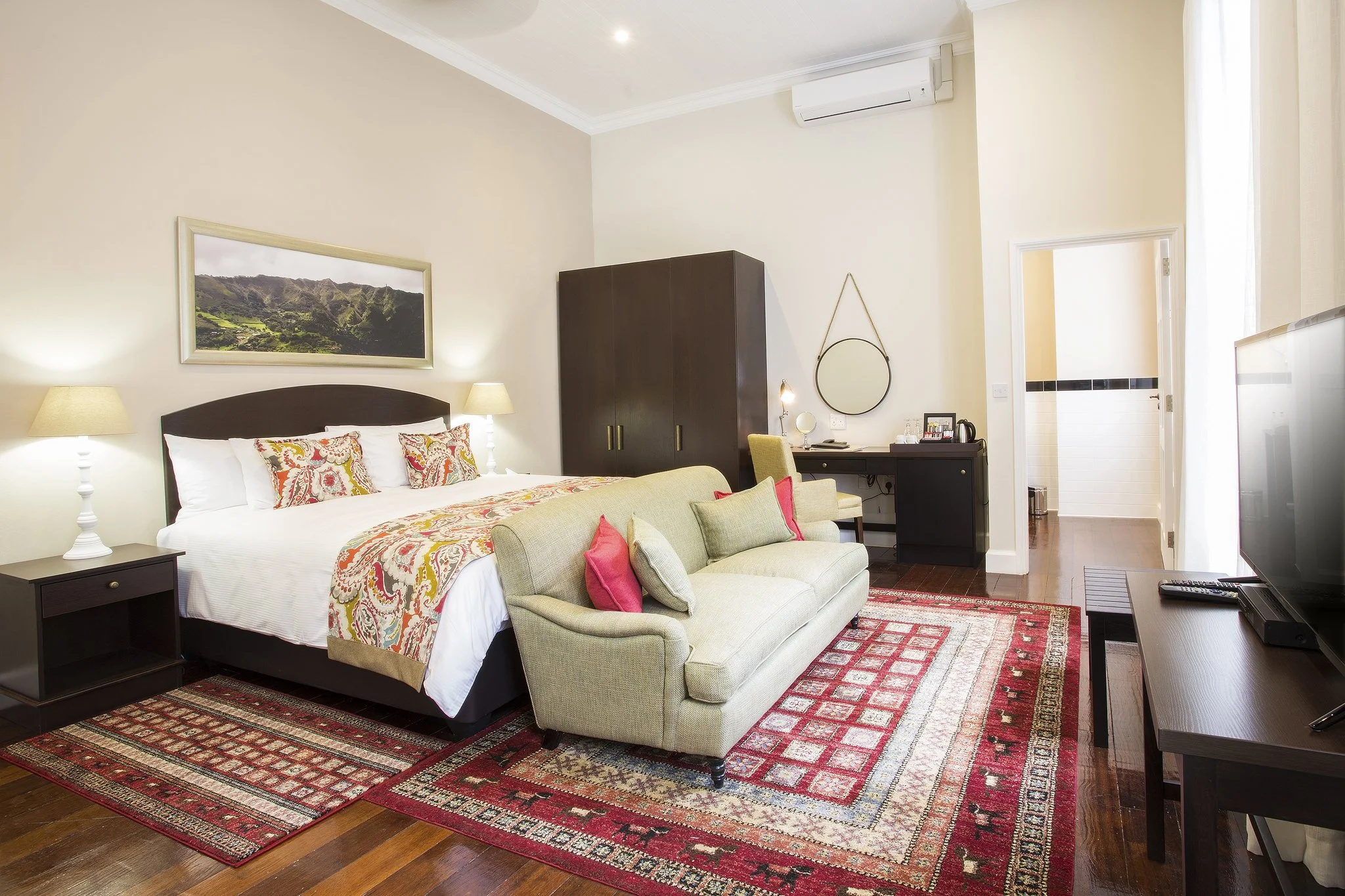
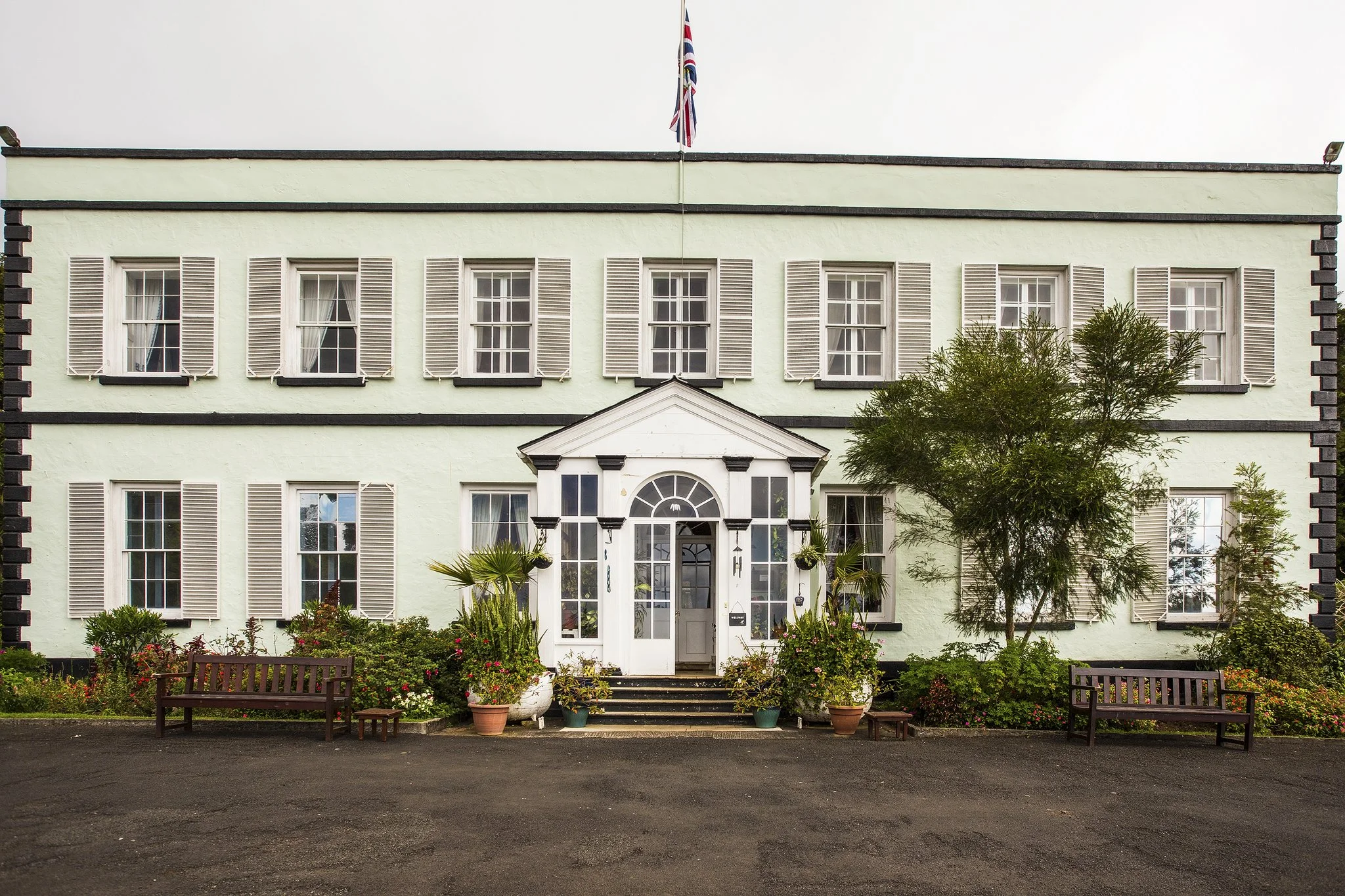
During our time on St. Helena, we will be staying at the Mantis Hotel in the heart of Jamestown. This lovingly restored boutique hotel combines historic charm with modern comforts and is just a few steps away from small shops, Jacob's Ladder, and the waterfront promenade. The cozy rooms offer a quiet retreat after eventful hours at sea or excursions across the island.
The hotel's restaurant treats us to fresh, regionally inspired cuisine, and we enjoy breakfast and the occasional dinner in a relaxed atmosphere. Jamestown's culinary scene also surprises with charming restaurants known for freshly caught fish, seafood, and local specialties—but meat lovers will also find a diverse selection. During our week, we will try out different restaurants.
This makes the Mantis Hotel not only our accommodation, but also a pleasant starting point for experiencing island life up close.
-
Day 1: We will pick you up at the airport in Jamestown and take you to our hotel. After checking in, we will get to know each other better and give you an overview of what to expect during our time together.
Days 2-7: Over five days, we explore the waters around St. Helena and search for whale sharks, large schools of dolphins, and other marine life. Each trip offers new opportunities for encounters in the clear, warm water and takes us along impressive coastlines and untouched rocky landscapes. Between our marine adventures, we will experience the island on land: we will discover historical sites such as Napoleon's House and his grave, enjoy sweeping views on easy hikes, and explore the striking landscape. We end the afternoons and evenings in a relaxed manner—with good food, conversations, photos, videos, and exciting lectures. The result is a varied week that combines sea, nature, history, and cozy get-togethers—and shows the fascination of St. Helena in all its facets.
Day 8: Check out and departure.
-
St. Helena in February offers a warm, pleasant climate. Average daily highs are usually around 25–28 °C, with nighttime temperatures around 20 °C. Winds can be strong at times, and there is usually a mix of sun and occasional precipitation. Lightweight, breathable clothing combined with a windbreaker is ideal during the day, while longer, warmer clothing is recommended in the evening. Sunscreen with a high SPF, a hat, and sunglasses are essential for protection from the intense sun.
We provide snorkels, masks, and fins for our daily excursions. The water temperature is around 23–25 °C. 5 mm wetsuits from the diving center are available on site. However, our local partner strongly recommends only UV protection (rash guard) or a 3 mm wetsuit. If you have your own equipment that you feel more comfortable with, you are welcome to bring it with you. We also provide weight belts including weights on request.
February usually brings gentle to moderate winds, although these can be somewhat stronger at sea. We strongly recommend bringing a good waterproof and windproof jacket—the temperature on the water can feel surprisingly cool with the wind.
Wide-angle lenses up to around 30 mm are ideal for underwater photography—they enable you to take impressive photos of whale sharks or other sea creatures. Action cameras also deliver excellent results underwater.
The local currency in St. Helena is the British pound (GBP). It is advisable to bring cash with you, especially for the £20 entry fee or if you want to make personal purchases, as credit cards are not accepted everywhere — there are no ATMs on the island.




Contact us
Are you already convinced or do you have any questions? Feel free to contact us via the contact form below, Whatsapp (+41765811893) or email (info@mobywildlifetours.com).