
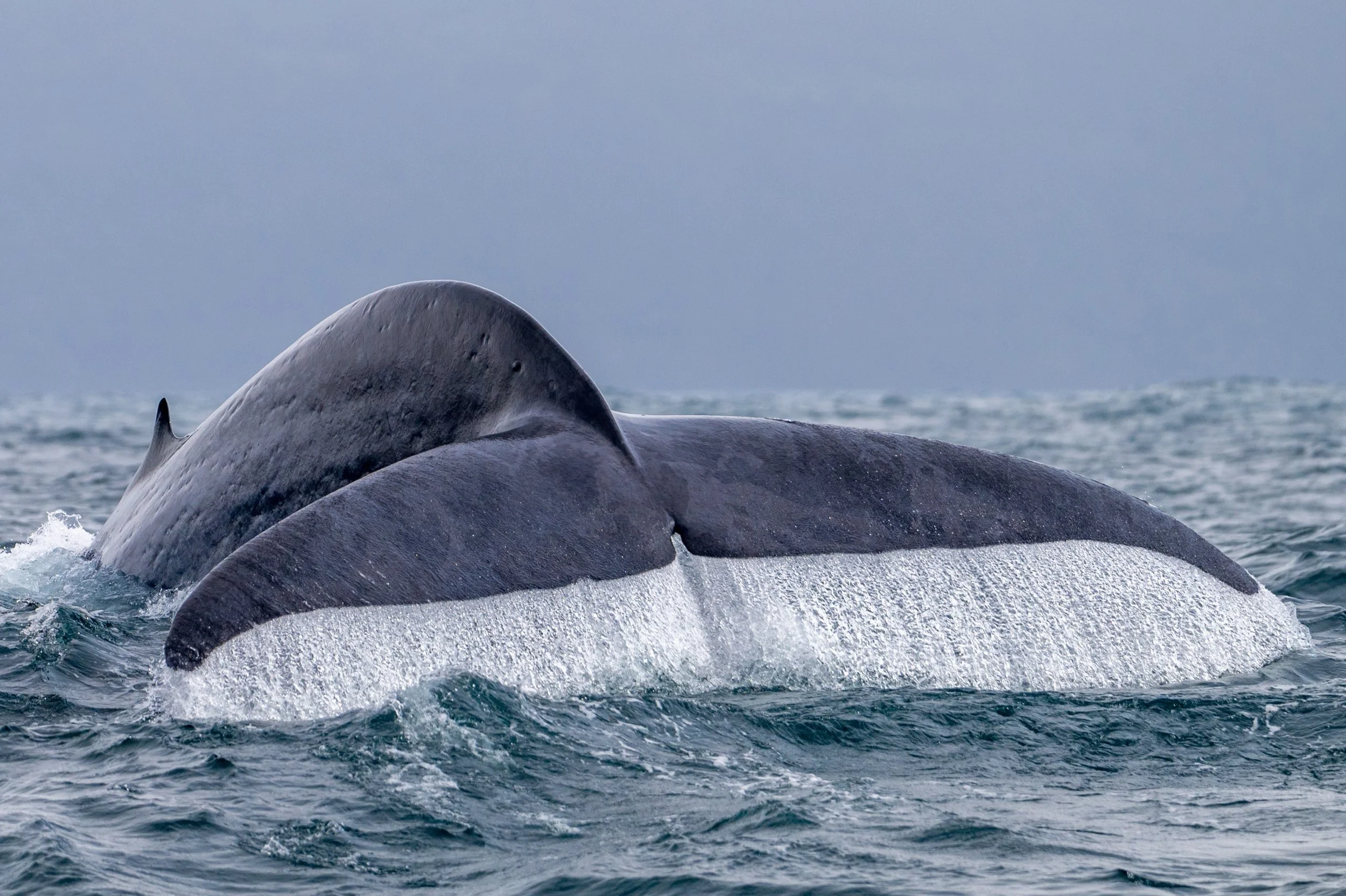
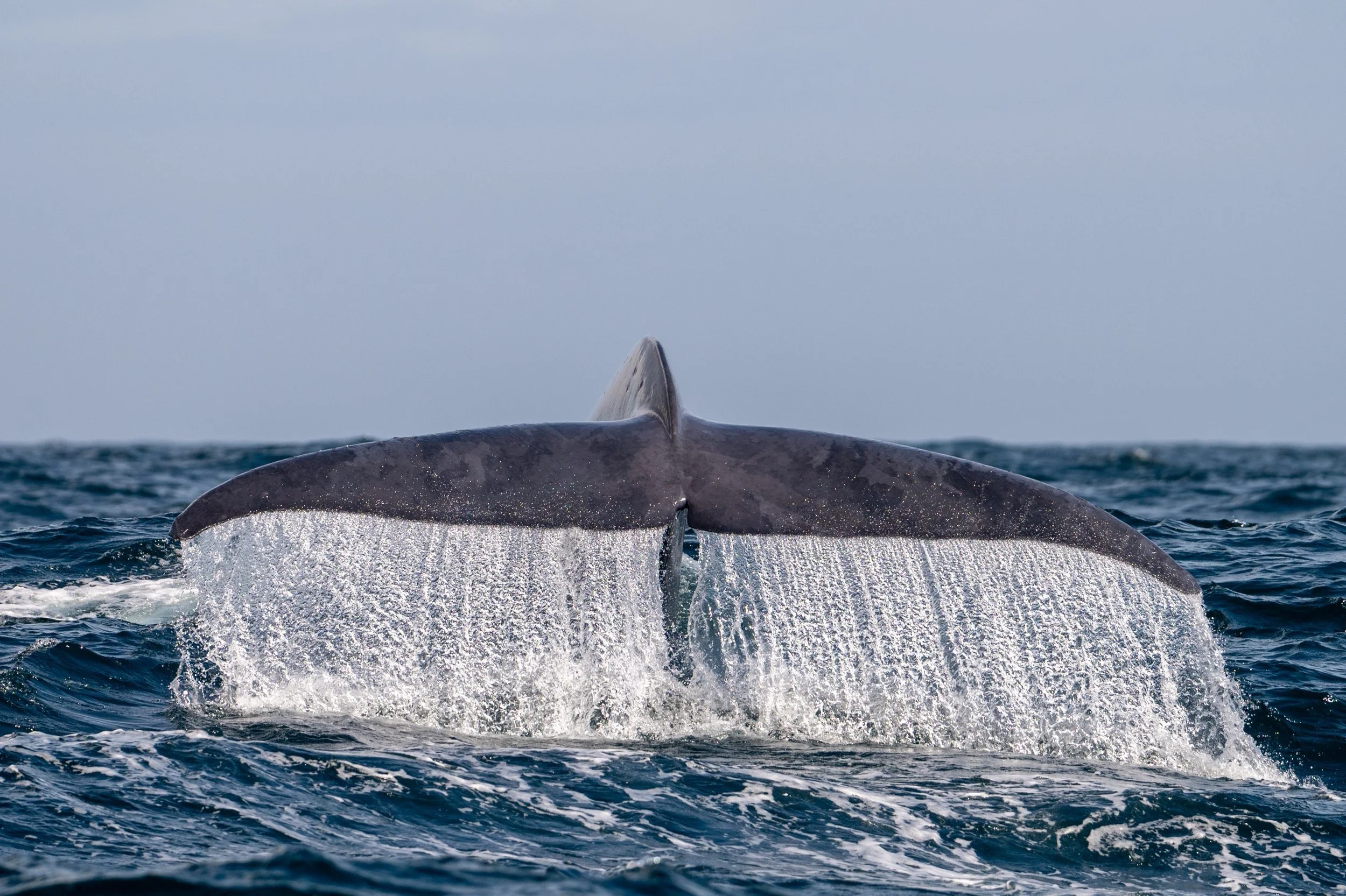
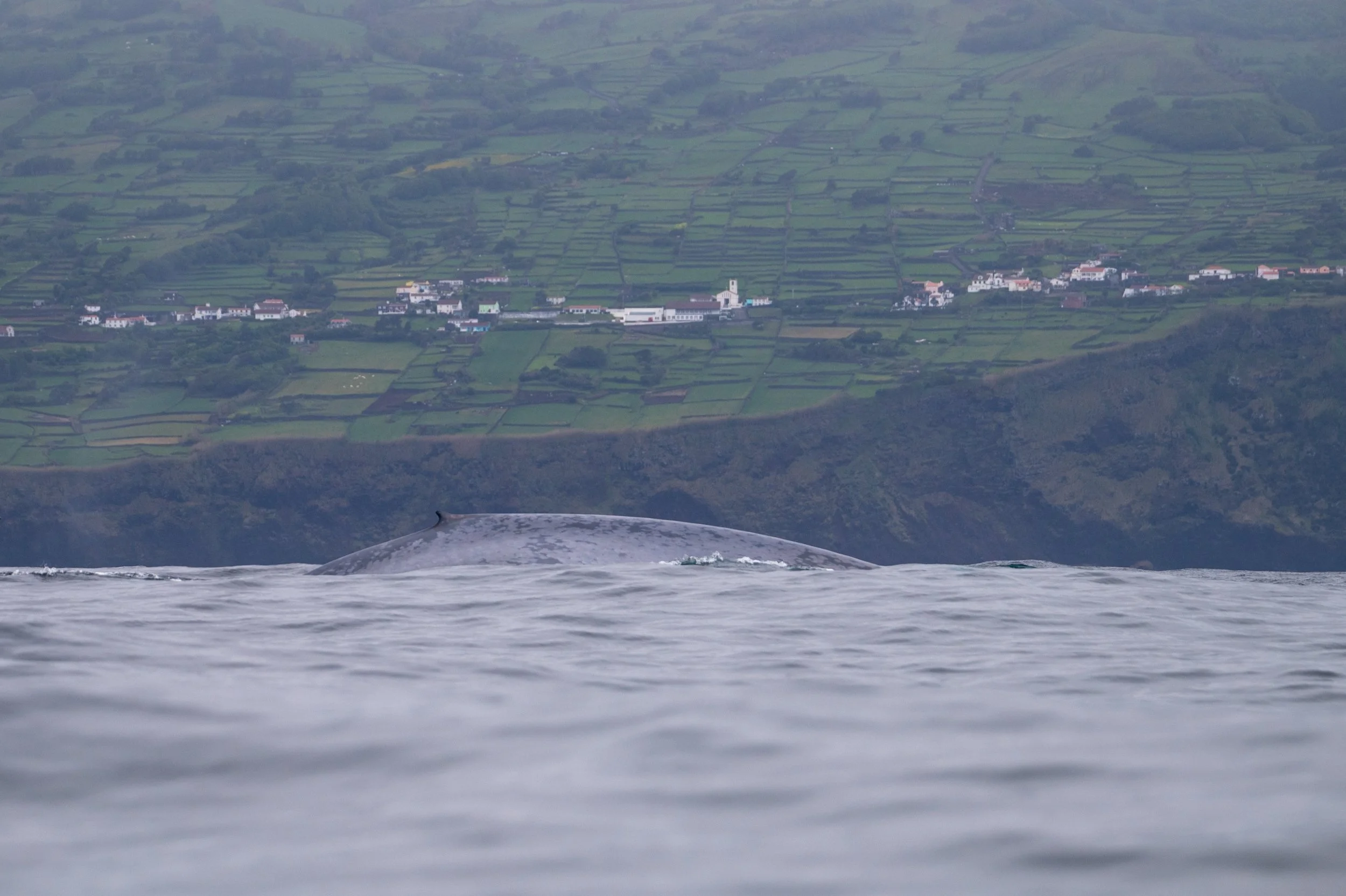
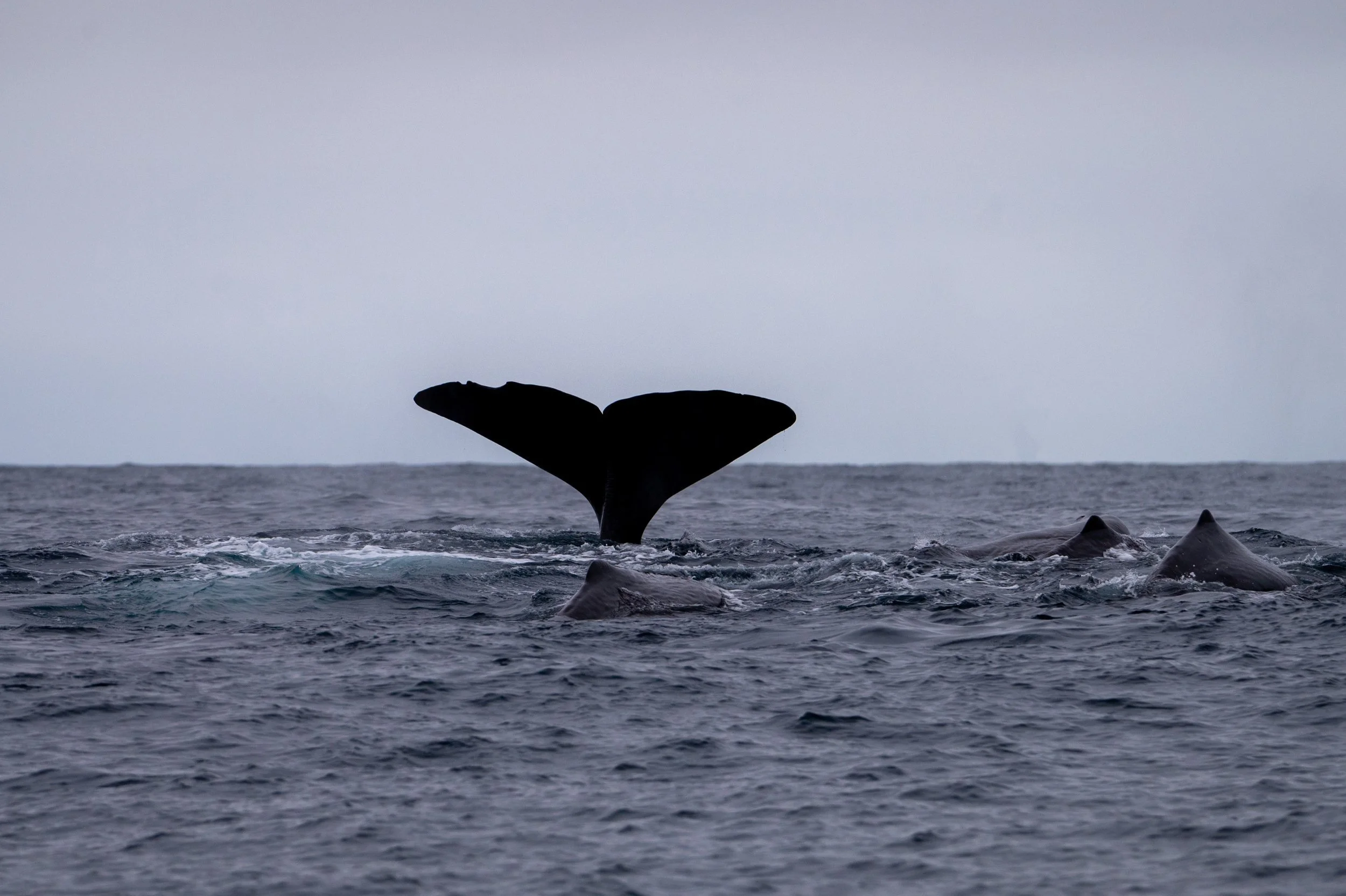
Whales off the Azores
Gallery
Tour Details


Costs
EUR 2,600
per person in a double room

Group
Max. 8 people
+ German- and English-speaking guide from Moby Wildlife Tours + Local guide

All dates
3 Departures in 2027 and 2028

2027
Sunday, April 4, 2027 – Sunday, April 11, 2027
Sunday, April 11, 2027 – Sunday, April 18, 2027
2028
Saturday, April 1, 2028 – Saturday, April 8, 2028
Additional dates for private tours are available upon request

Where
Start
in Pico, at the airport or harbor, depending on your arrival
End
at the airport or port in Pico, depending on your departure
Price includes
What's included
Transportation, tours, accommodation, group meals, presentations on the different species
What is not included
Personal expenses, insurance, arrival and departure to and from Pico

Physical requirements
No severe back problems
Food preferences, intolerances and intolerances can be taken into consideration.

Notes
The weather in the Azores in the spring is very changeable. If an excursion is canceled, we will refund a portion of the travel costs
Ready for this journey?
Check availability for your desired date.
About the trip
The trip to the Azores gives us the unique opportunity to observe different species of large whales in one place - and not so far away from the European mainland!
Around a two-hour flight from Portugal lies the Azores archipelago. Often known for the formation of high-pressure areas, these islands have also gained popularity in recent years due to their natural beauty.
What many people don't know is that in April, many large whales pass by these islands on their migration. They are joined by several resident species, making the Azores an Eldorado for whale watchers and photographers.
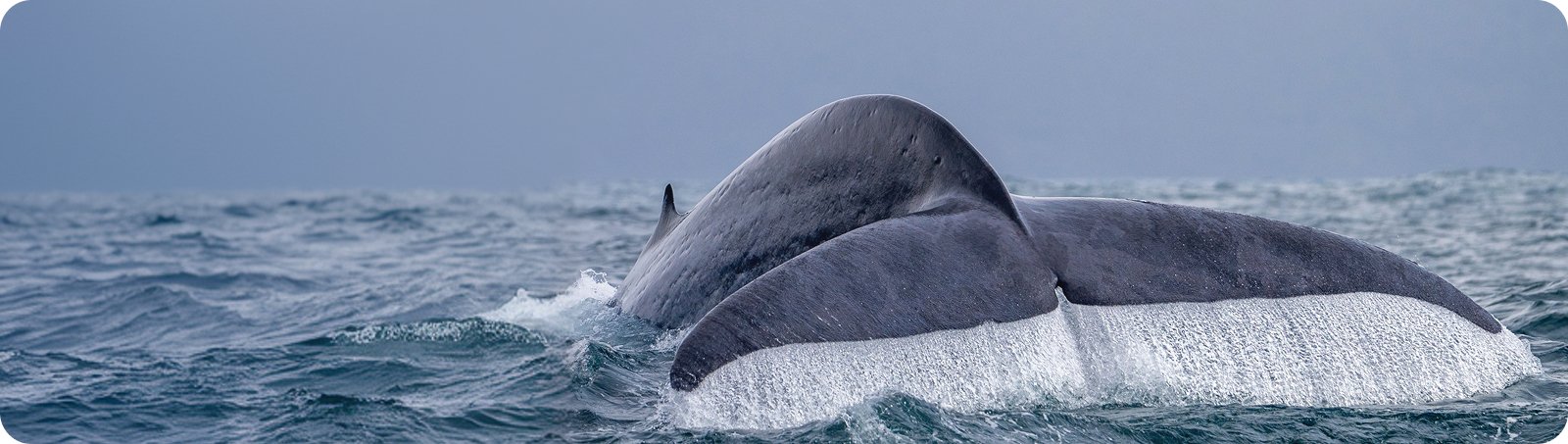
We go out to sea 1-2 times a day to see blue whales, fin whales, humpback whales, sperm whales and many other species up close!
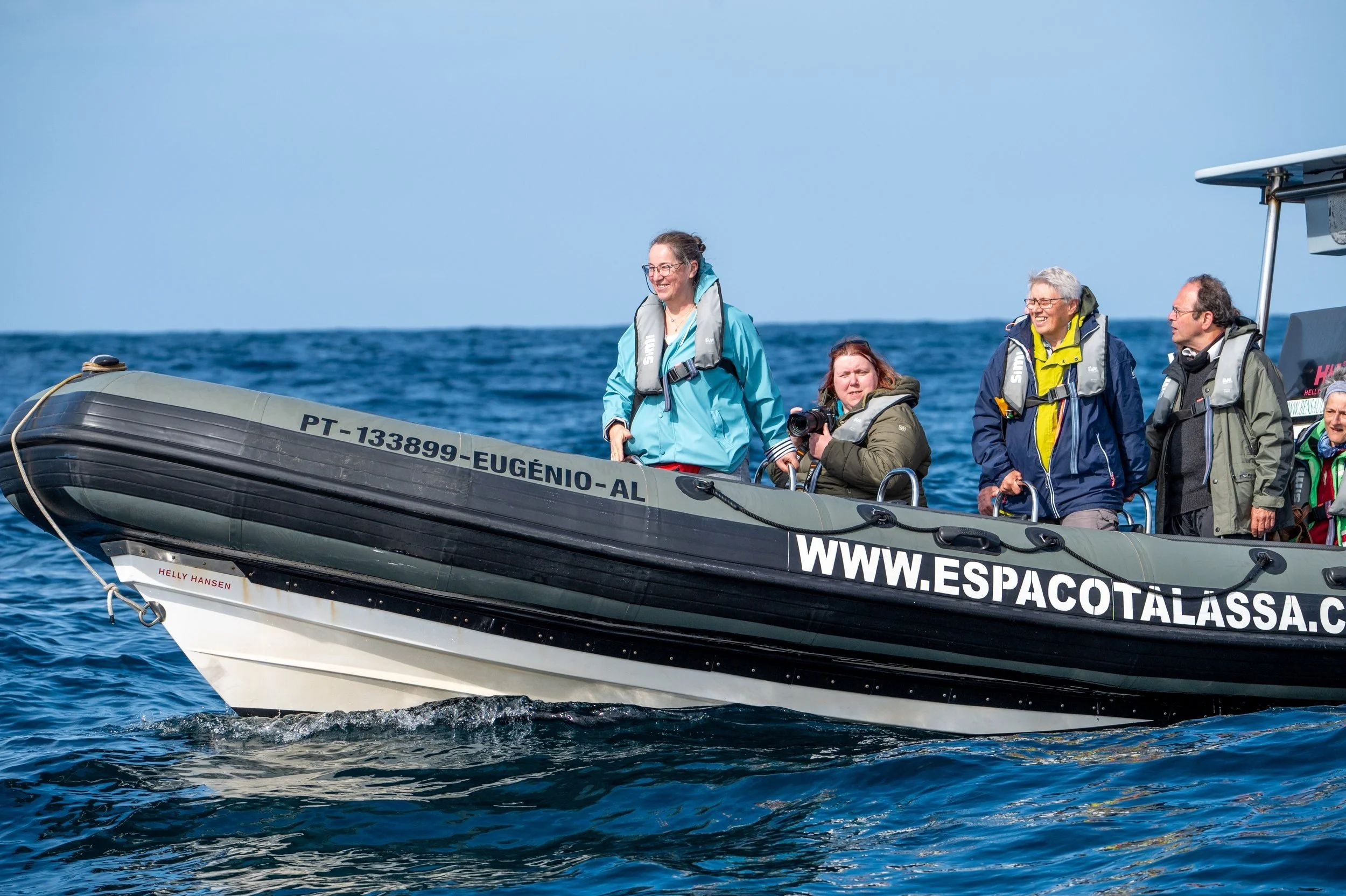
We go in search of the marine mammals in fast inflatable boats, which allow us to cover great distances.
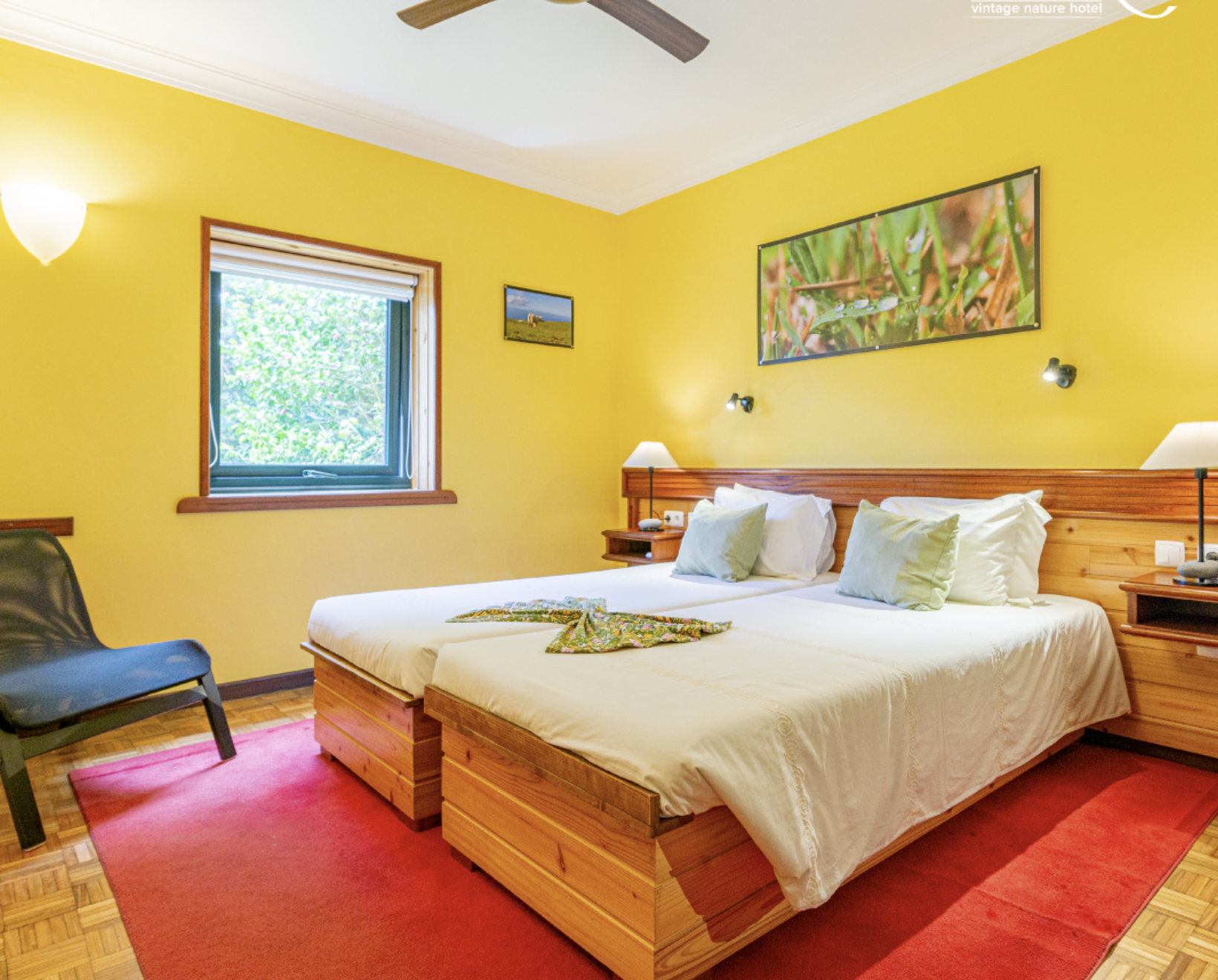
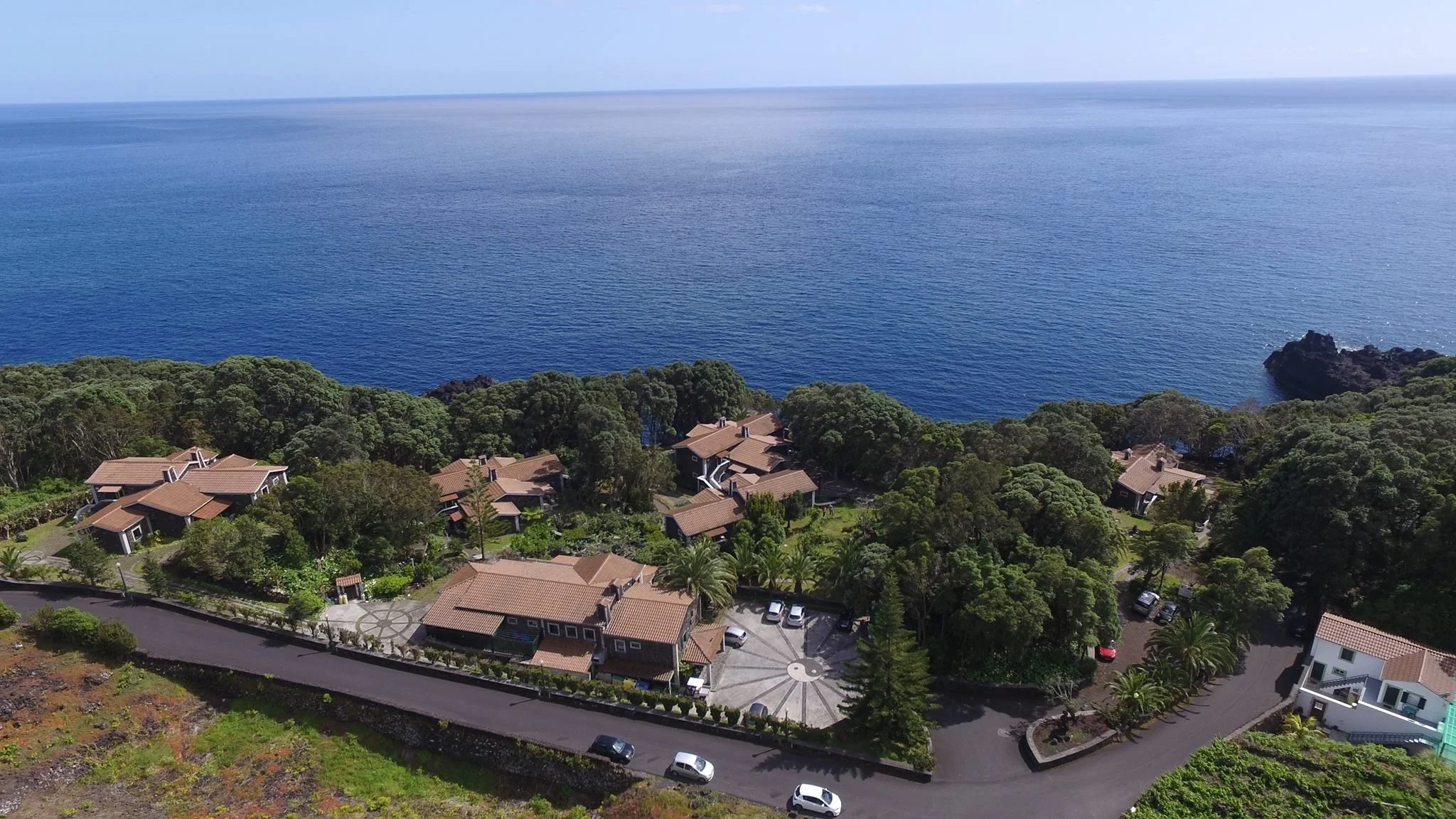
During our week, we are accommodated near a small former whaling village on the south coast of the island of Pico. Our hotel is idyllically situated along the coast and, in addition to very nice rooms close to nature, also has a restaurant where we enjoy various meals!
The Animals
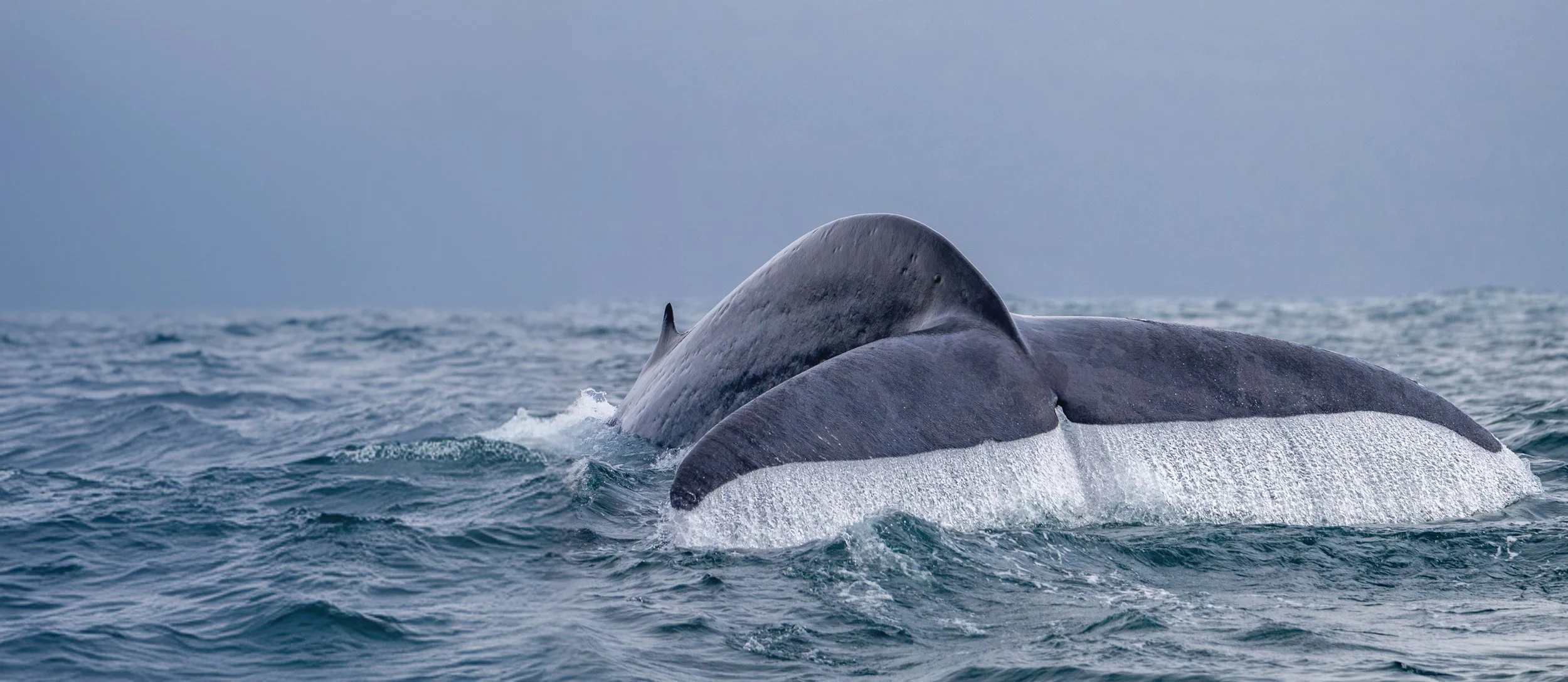
The aim of this trip is to encounter a wide variety of whale and dolphin species, but first and foremost the blue whale! In spring, the large baleen whales migrate from warmer southern Atlantic waters northwards towards the Arctic. Along the way, many make a short stop around the Azores!
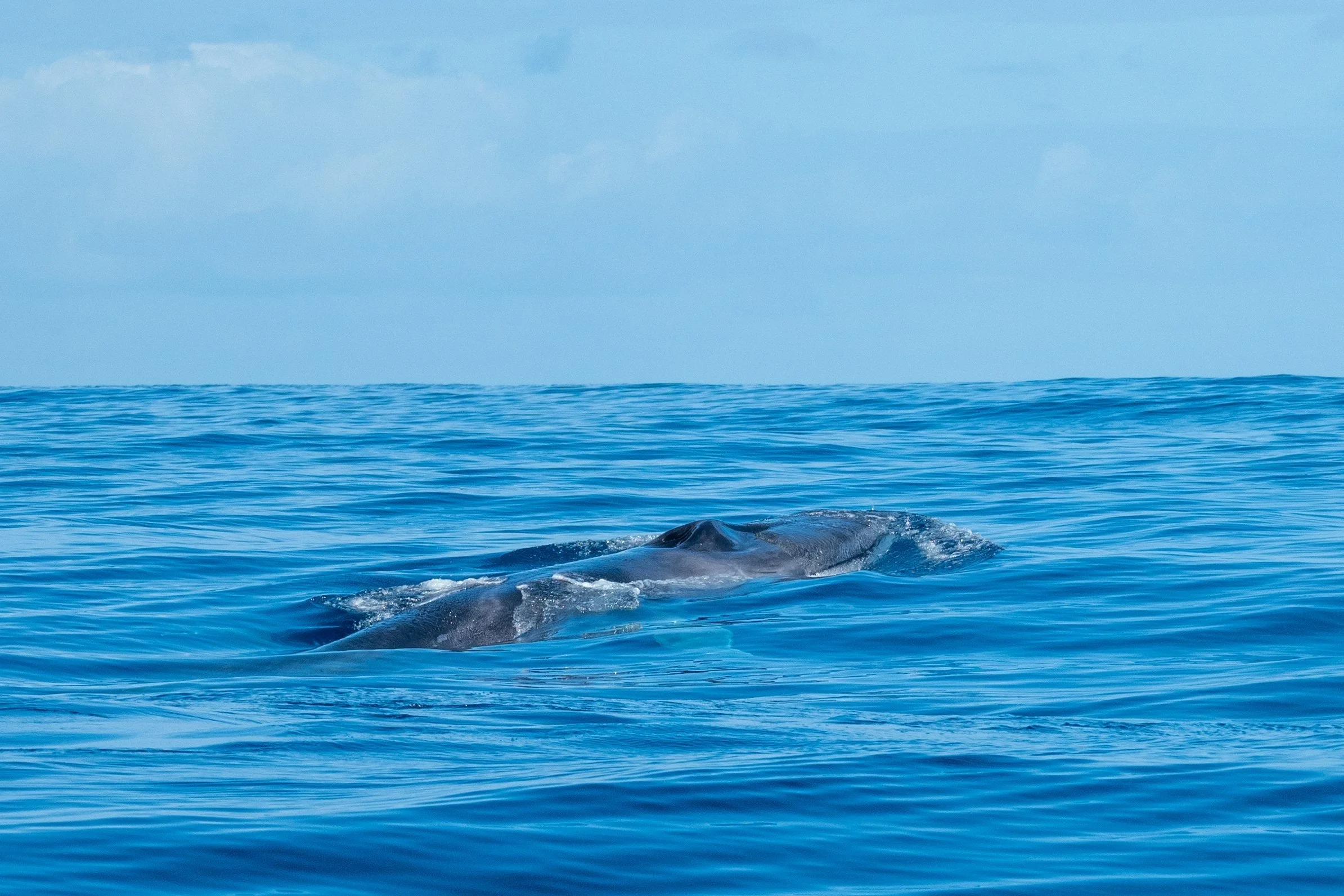
We therefore focus primarily on baleen whales such as the blue whale, fin whale, humpback whale and sei whale. Especially for blue whales, the Azores are the best region in Europe to experience these giants!
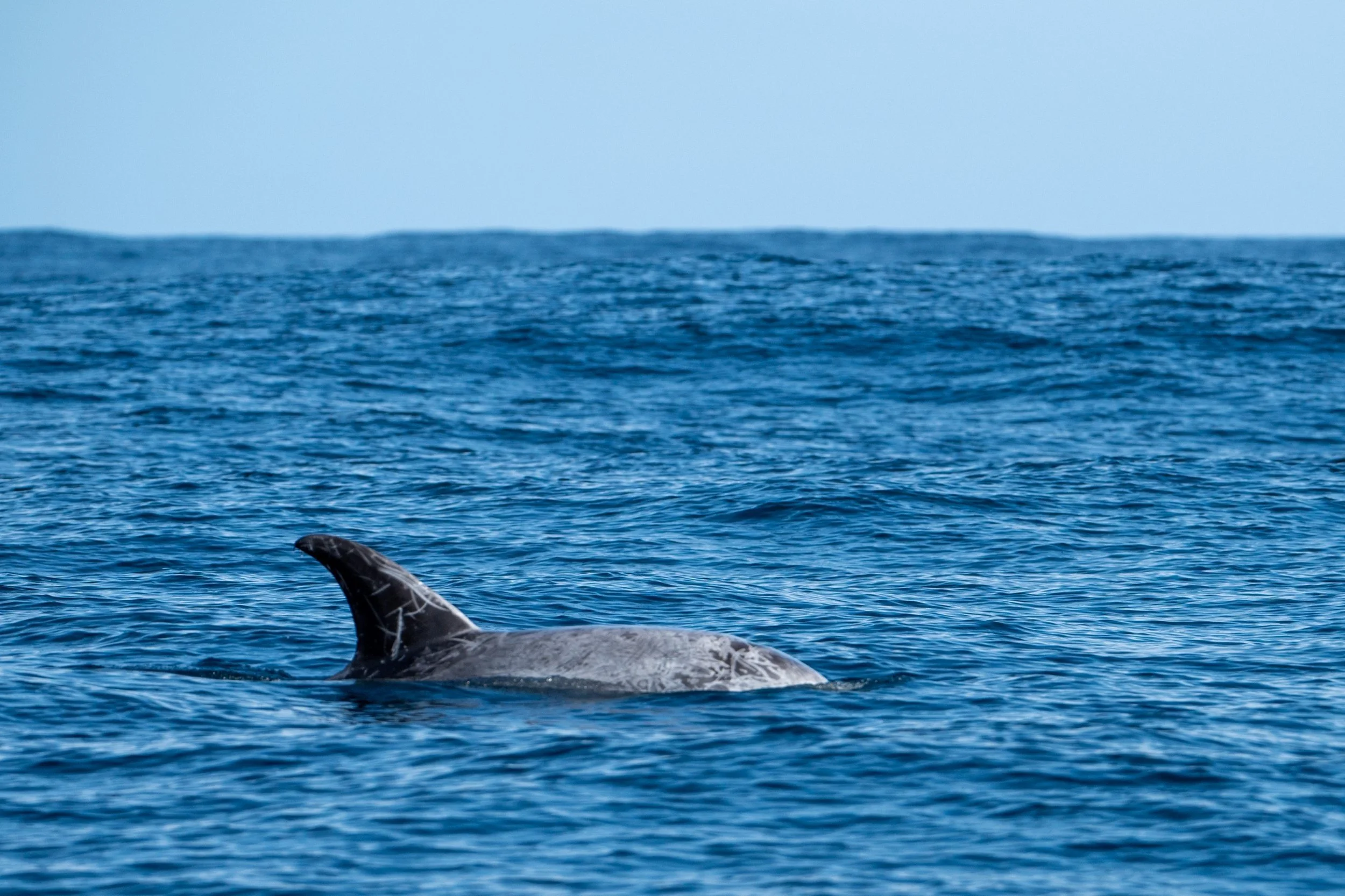
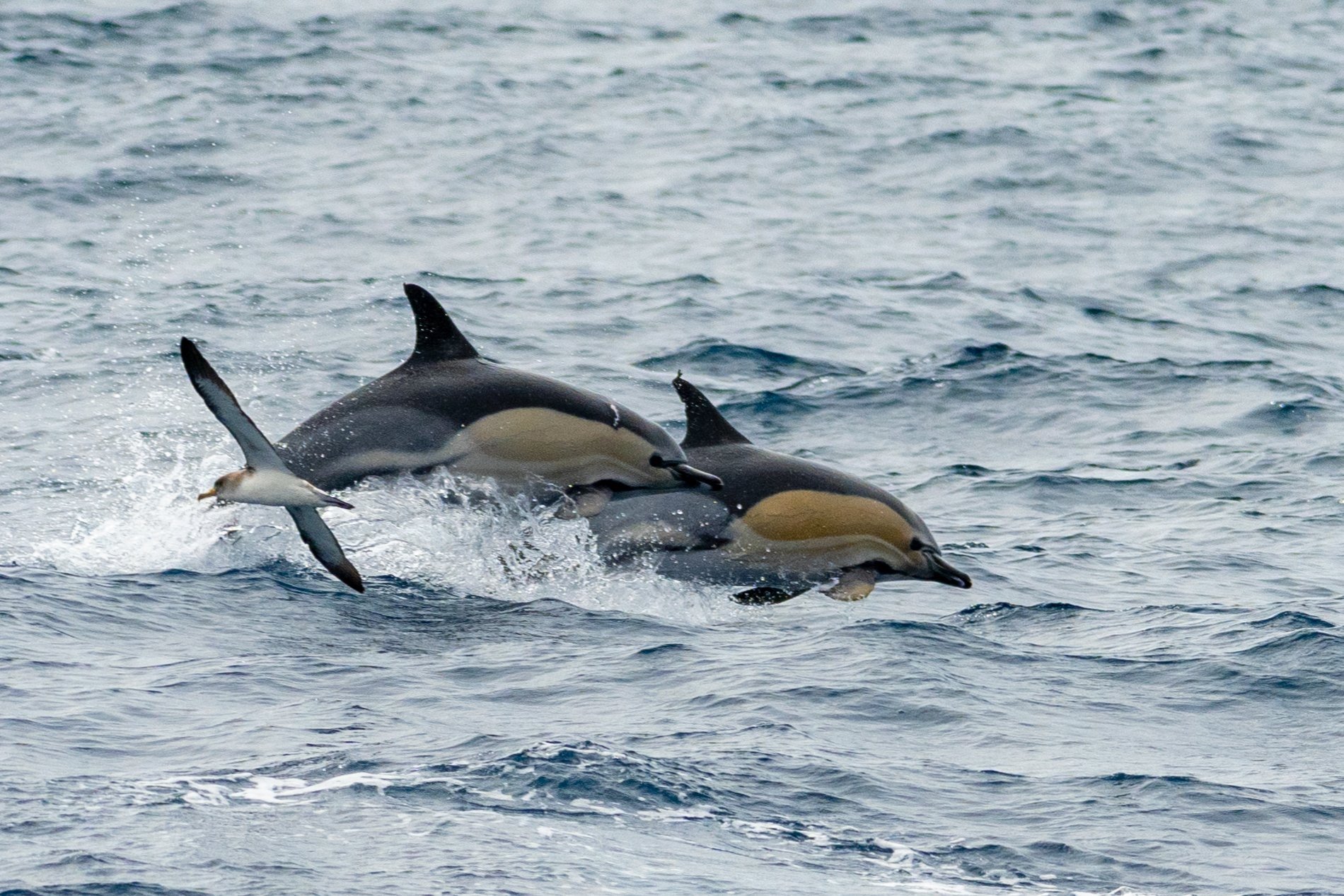
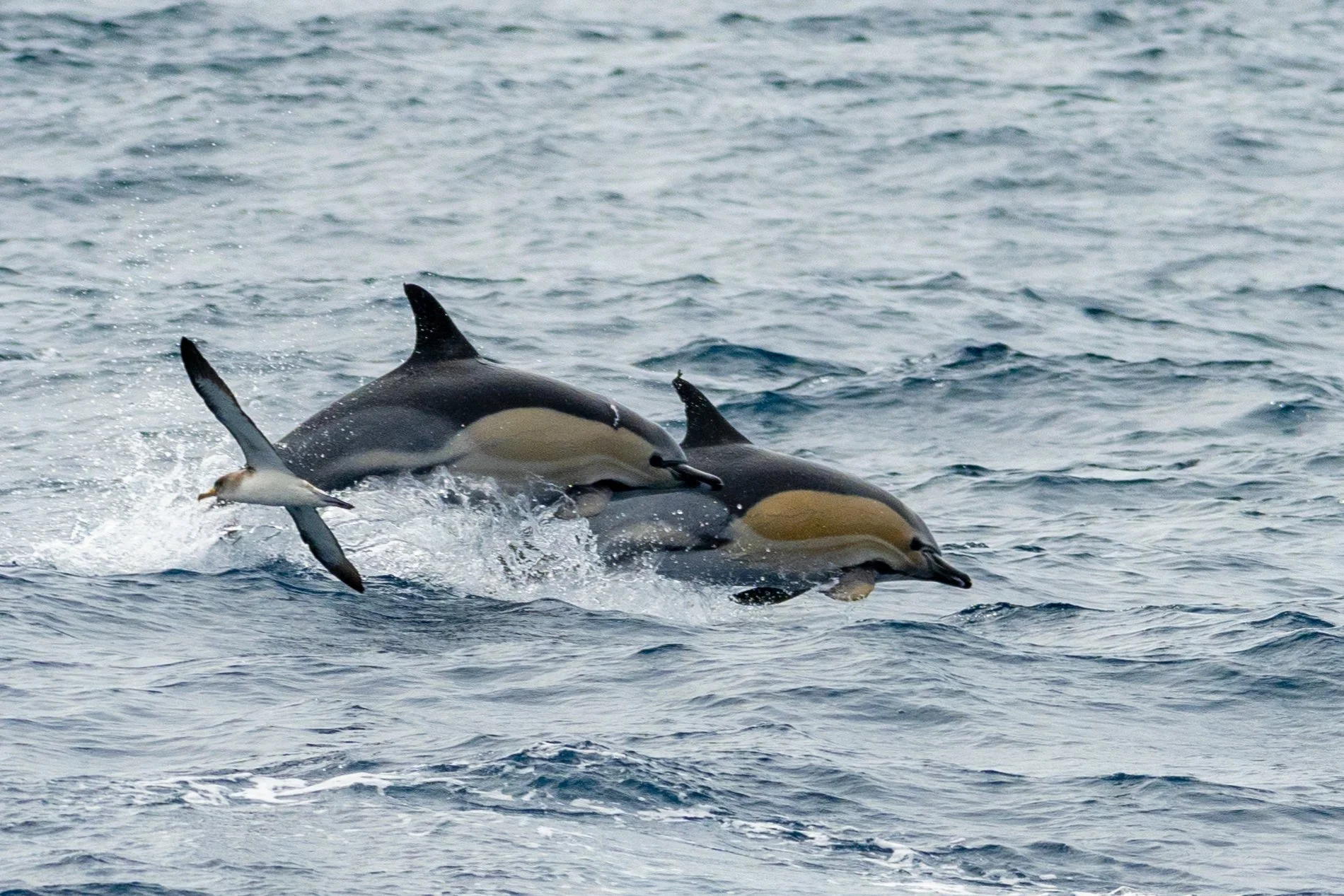
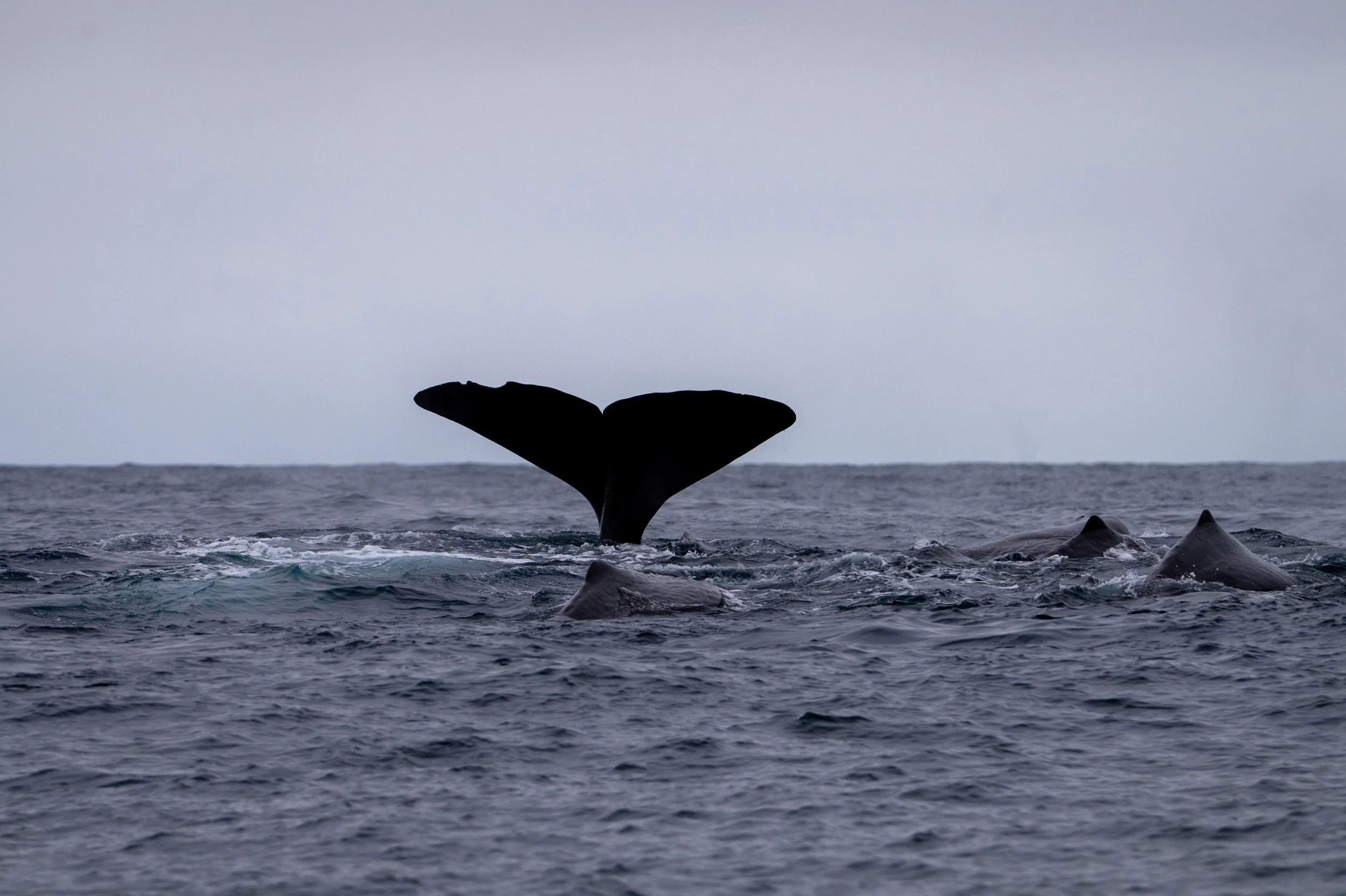
But of course we don't ignore the local resident sea creatures. Bottlenose dolphins, common dolphins, striped dolphins and roundhead dolphins live around these islands all year round and we see them very regularly, if not daily. We also have excellent chances of spotting the largest toothed whales in the world, the sperm whales, in large groups!
Accommodation & Catering
During our time on the south coast of Pico, we stay in perhaps the most beautiful hotel on the island, right by the sea. The rooms are spacious, high quality and comfortable. The complex is beautifully integrated into the natural surroundings and even has a small fitness area and a pool.
The hotel is just a few minutes' drive from the whale watching station, where we take the zodiacs out to sea.
The hotel's restaurant serves a breakfast buffet every morning and we also have several evening meals here. In addition to the menu, there are also different daily menus every day. In general, a lot of emphasis is placed on regionality and sustainability at mealtimes.
Daily Programme
At the start of the week, we head out to sea twice a day to watch whales and dolphins.
The first tour starts around 9 a.m. and lasts about 3 hours. After lunch, we head out again in the afternoon for another 3 hours. Back on land and after a well-deserved shower, we enjoy a drink and round off the evening with a good dinner and, hopefully, plenty of whale stories!
In the second half of the week, we’ll head out to sea for half-day trips so we’ll still have some time to explore the island. Anyone who’d like to can also attend various lectures on whales and other marine animals.
The weather in the Azores can, however, be very wet and stormy. If conditions are too rough, we’ll make adjustments as best we can.
Equipment & Photography
The climate in the Azores in spring can be very changeable! From sunshine and 25 degrees to rain and 15 degrees, anything is possible. We recommend packing good, weatherproof clothing and rubber boots. Rain jackets are provided by the boat operators.
In the event of heavy rain or wind, the trips are usually cancelled. In these cases we can also partially refund the trip costs.
For photographers we recommend medium lenses (200-300mm). The whales often come relatively close to the boats and quickly fill the viewfinder with their size!
If you want, you can also bring your GoPro on a stick to record dolphins swimming underwater in the bow!
Contact us
Are you convinced yet, or do you have any questions? Feel free to reach out to us via the contact form below, WhatsApp (+41765811893) or email (info@mobywildlifetours.com).