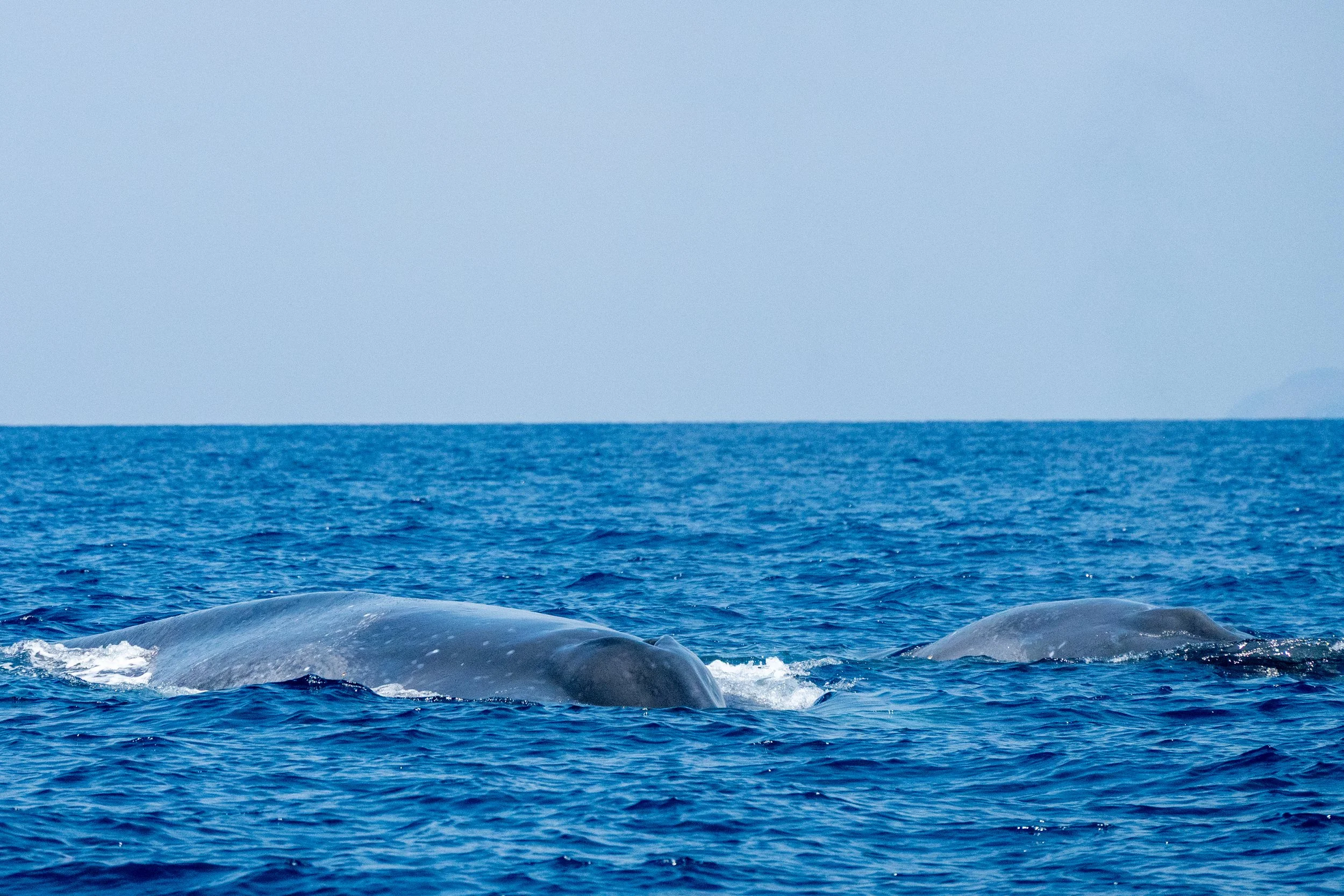
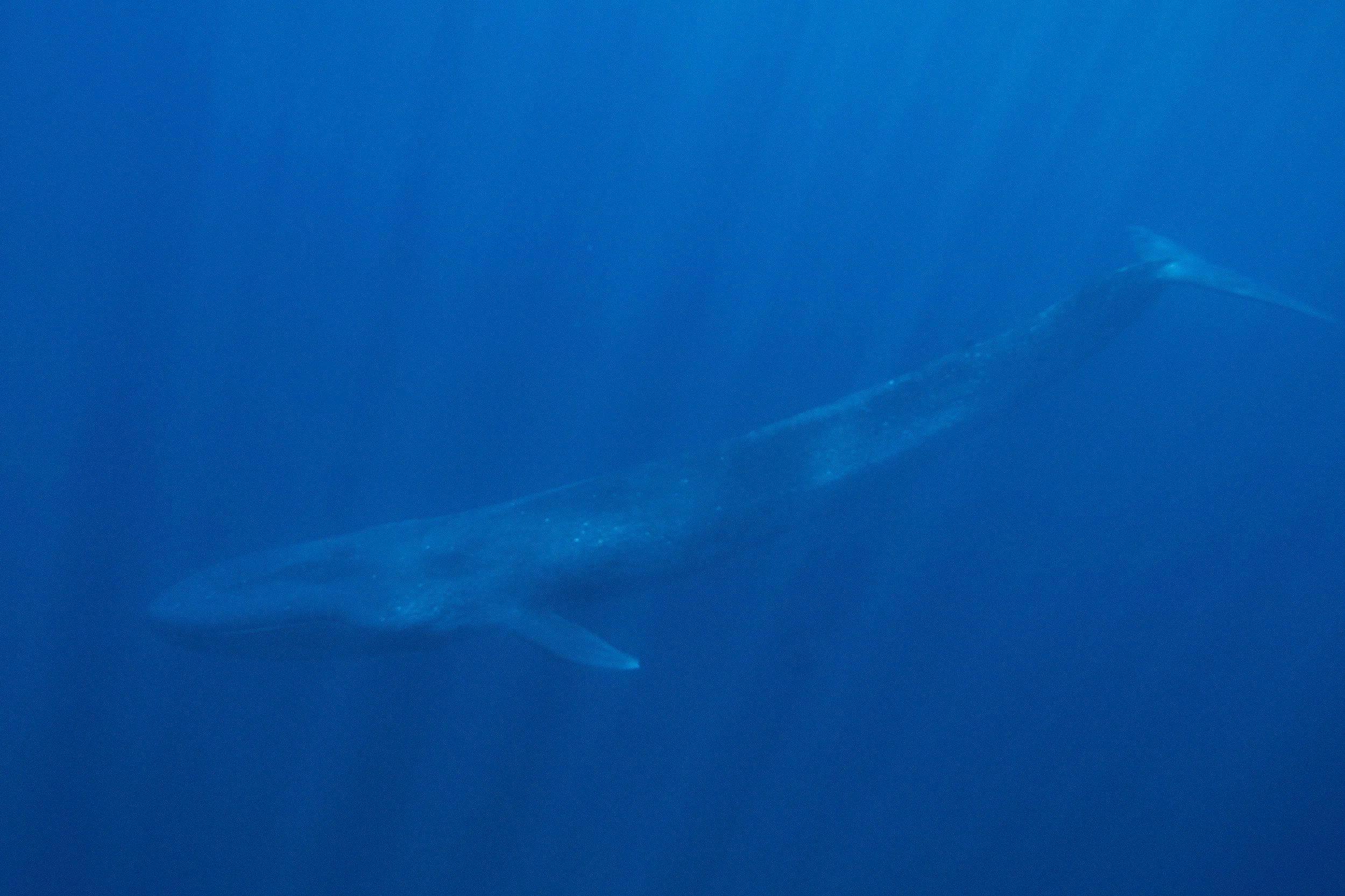
Between tourism and animal welfare – which path will Timor Leste take?
The behavior of boats and swimming with whales in Timor Leste in general has attracted considerable criticism in recent weeks and has been summarized in articles such as the one by Robin Hicks in Mongabay: https://news.mongabay.com/2025/12/unregulated-tourism-risks-disrupting-timor-lestes-whale-migration/
Many of the criticisms are justified, although in our opinion some issues are being portrayed as worse than they actually are. Current reporting could give the impression that animals are constantly being harassed, which is not the case. The financial situation is also being portrayed as if not many Timorese are benefiting from tourism. However, there is no mention of the fact that many local hotels, restaurants, and transport companies are also profiting from the tours.
Nevertheless, it is good and important that the problems at sea are now being put in the spotlight. Ten years ago, hardly anyone had Timor Leste on their radar for whale watching. Even in 2019, there were very few boats out and about and practically no group tours. But in the age of Instagram, such secrets do not remain hidden for long. While there were still only 6-7 boats operating in 2024, by 2025 there were already around 10. Nevertheless, whale watching in Timor is still in its infancy, and we now have a tremendous opportunity to establish binding rules and train people properly so that Timor Leste can become a role model for whale tourism. No one wants conditions like those in Mauritius, for example, and we must prevent such developments at all costs.
At Moby Wildlife Tours, we will try to take a leading role in this regard and propose various rules and ideas that should enable a pleasant experience for everyone involved (animals and guests):
Properly trained captains: Hardly any captains or skippers in Timor Leste are properly trained in how to behave around marine mammals. This applies not only to local Timorese skippers, but also to foreign ones. In the coming years, we will bring professional whale watching captains to Timor and we will be happy to pass on our knowledge to anyone who is willing to listen. To this end, we want to train local Timorese skippers.
Only 3 boats around a group of whales: Today, there are sometimes 6 or more boats around a group of whales. We want to limit this to 3 boats. Additional boats may join, but must wait at a distance of at least 500 meters. As soon as one of the three boats leaves, another boat can take its place. If necessary, a time limit of approximately 1-2 hours per boat can also be introduced.
Do not accelerate to get ahead of the whales: Boats often accelerate because they are at the same level or even behind the whales when they come to the surface. We want to put a stop to this behavior. If you are not in a good position when the animal comes to the surface, simply enjoy the spectacle where you are. However, if you are 150 meters in front of the animal, you are in a good position to let your guests into the water. Turn off the engine, let your guests slowly enter the water, and let the animals come to you.
Collegial behavior: It is more pleasant for all skippers and guests when everyone behaves respectfully and considerately. This includes giving other boats right of way, waiting for your turn, and taking turns letting guests slide into the water.
Workshops: We plan to hold a workshop before the season to present the above points. Of course, we cannot force anyone to participate, but we still hope that the other organizers will listen to us.
The role of the government: It would be very helpful if the government took the initiative and introduced binding regulations. Rules and, for example, the presence of a police boat would greatly defuse the situation and significantly reduce the aggressiveness of some boats.
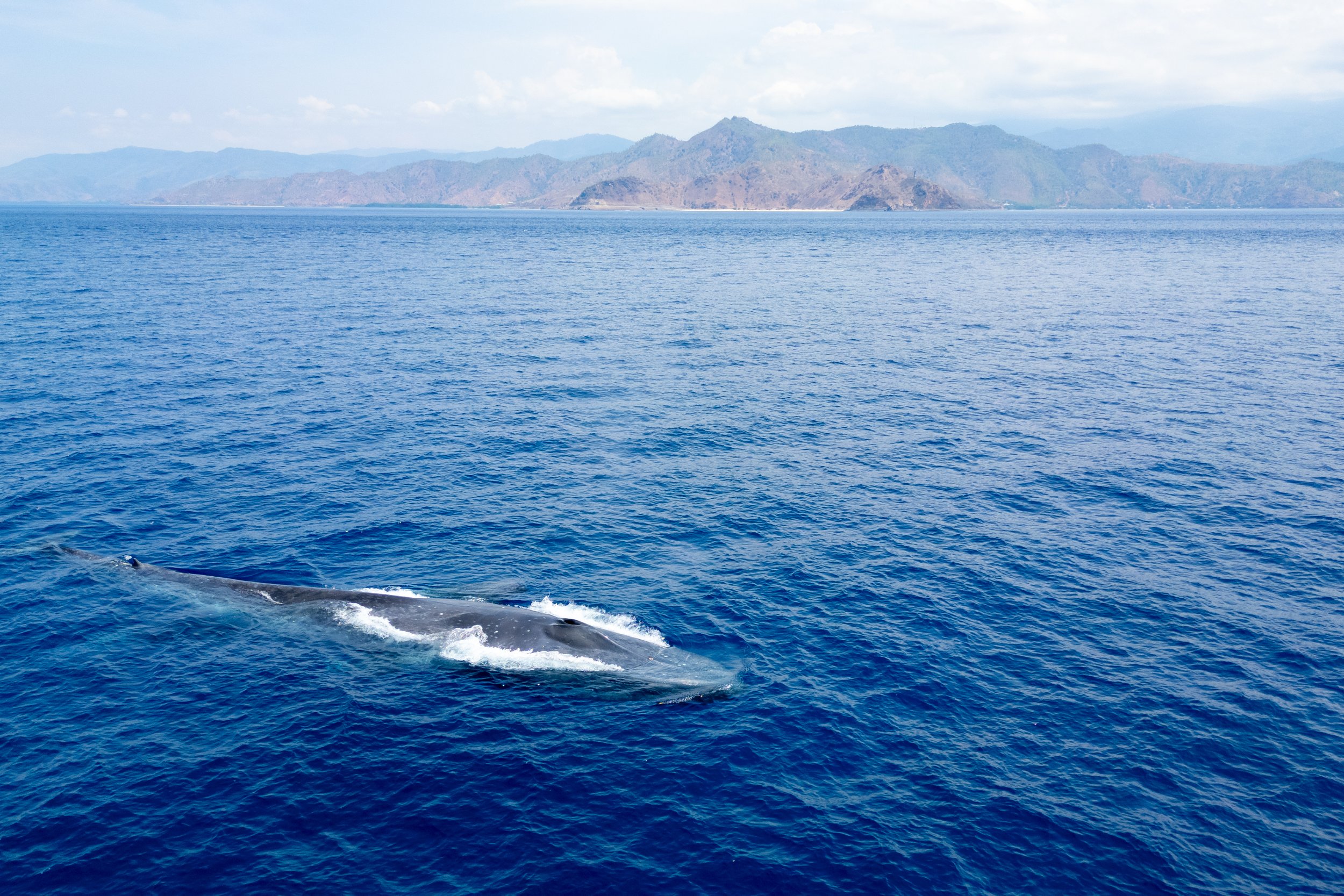
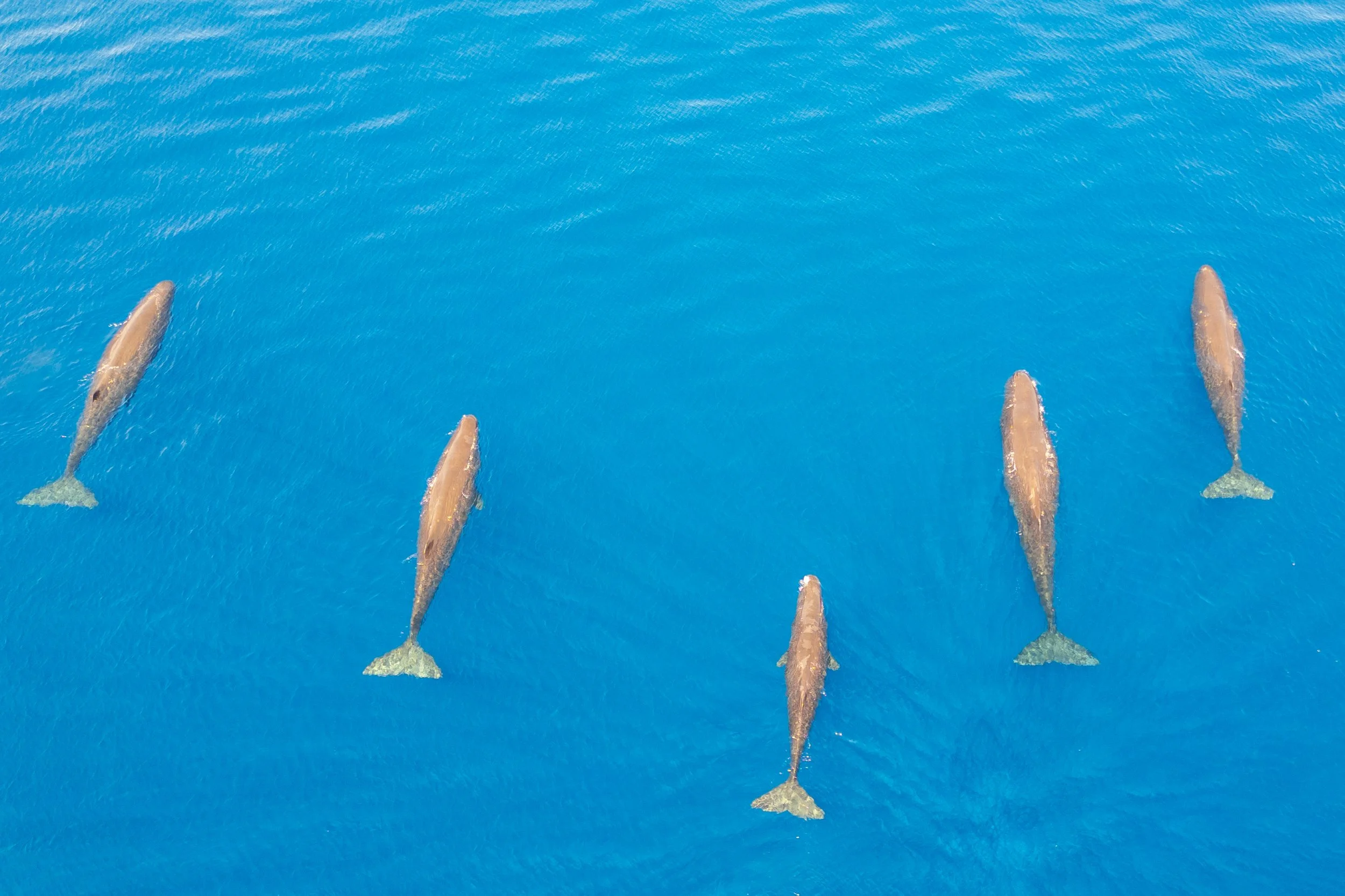
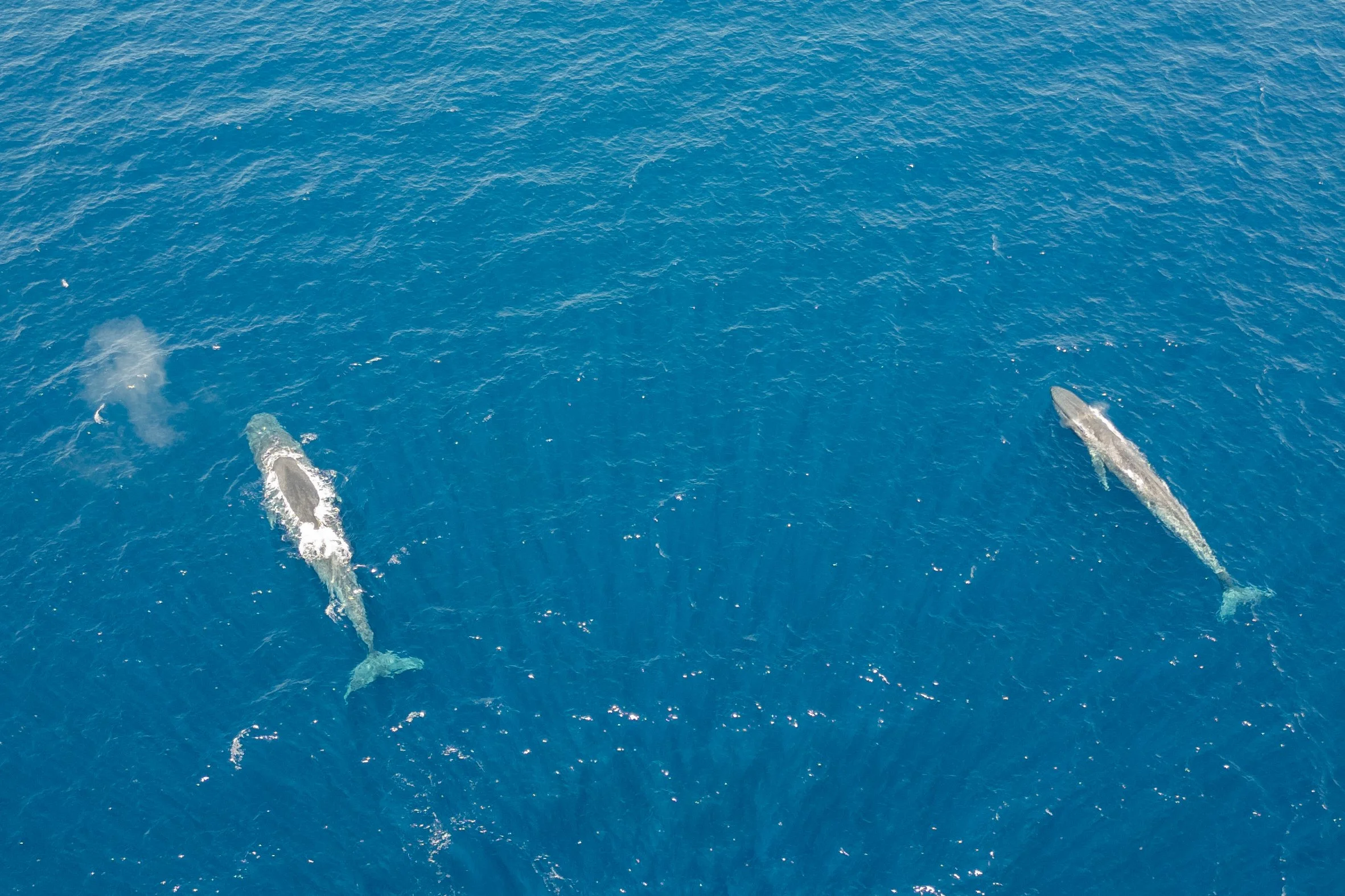
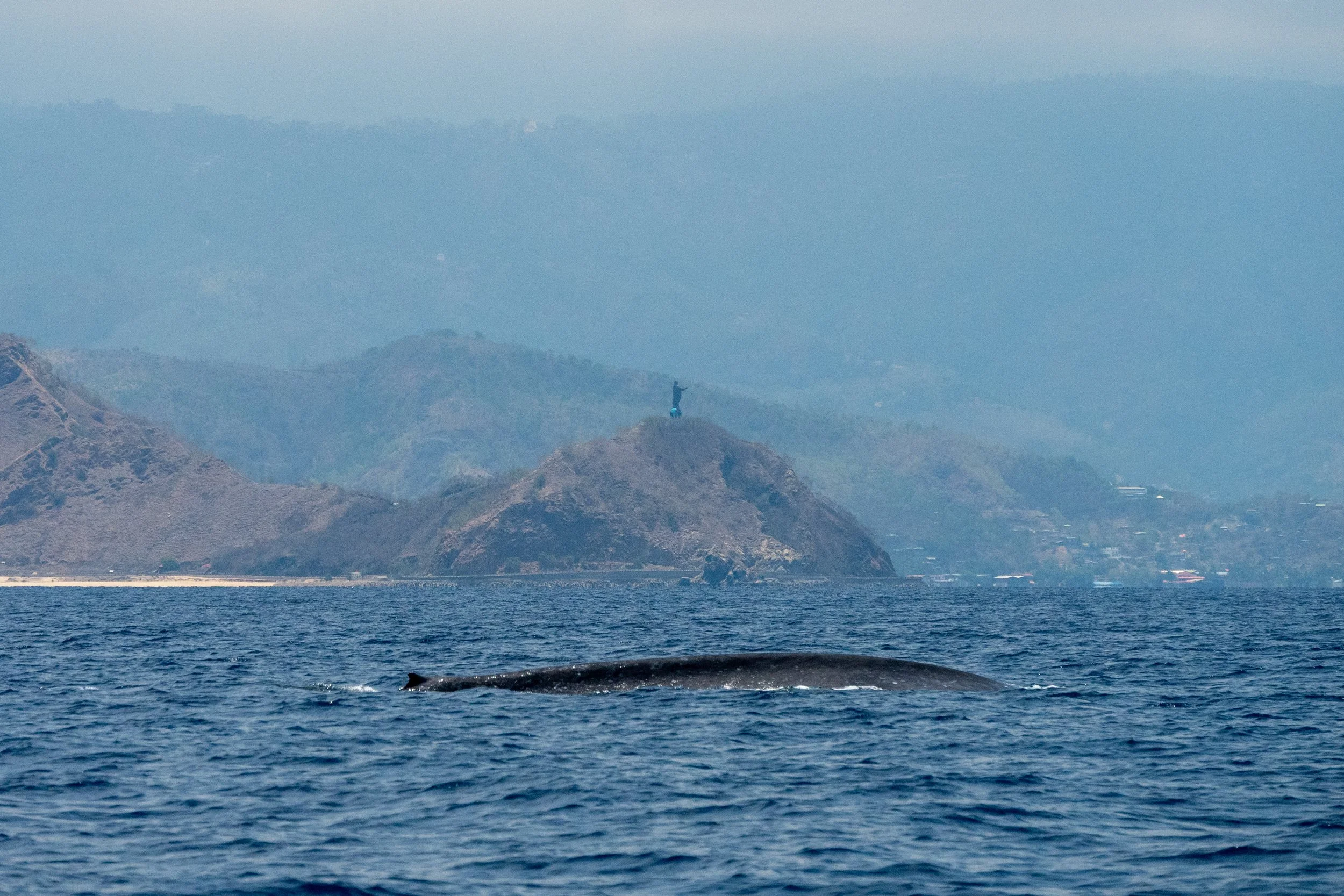
The sea around Timor Leste is truly a unique region of our planet. Deep blue water, breathtaking coral reefs, home to sperm whales, various species of dolphins, and, especially in October and November, the best place in the world to see migrating blue whales. Let's make sure it stays that way. Because if conditions continue to deteriorate as they have in Mauritius, swimming with whales should also be completely banned. And whether anyone would then still be willing to travel halfway around the world to Dili is more than doubtful.