
Arctic expedition:
around Svalbard
Gallery
Tour Details


Costs
CHF 10,500
per person in a double cabin

Group
Up to 12 people
+ German- and English-speaking guides from Moby Wildlife Tours + Local guides

All dates
1 Departure in 2028

2028
Monday, August 7, 2028 – Wednesday, August 16, 2028
Additional dates for private tours are available upon request

Where
Start
At the port of Longyearbyen on August 7
End
At the Longyearbyen Harbor on August 16
Price includes
What's included
Tours, lodging on the Kinfish, meals, presentations
What is not included
Personal expenses, insurance, travel to and from Longyearbyen

Physical requirements
Being able to climb narrow stairs on a ship
We are happy to accommodate dietary intolerances and sensitivities.

Ready for this journey?
Check availability for your desired date.
About the trip
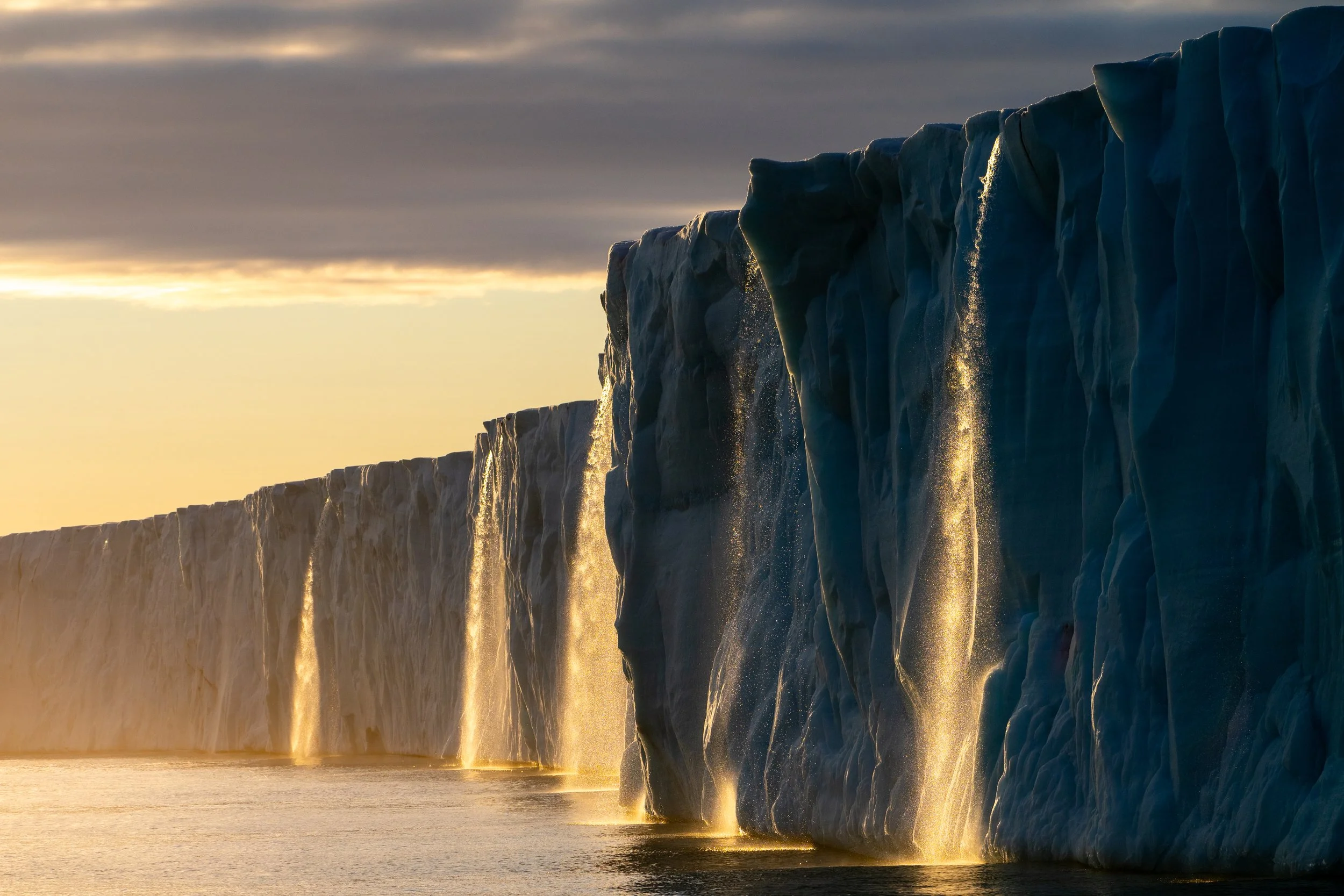
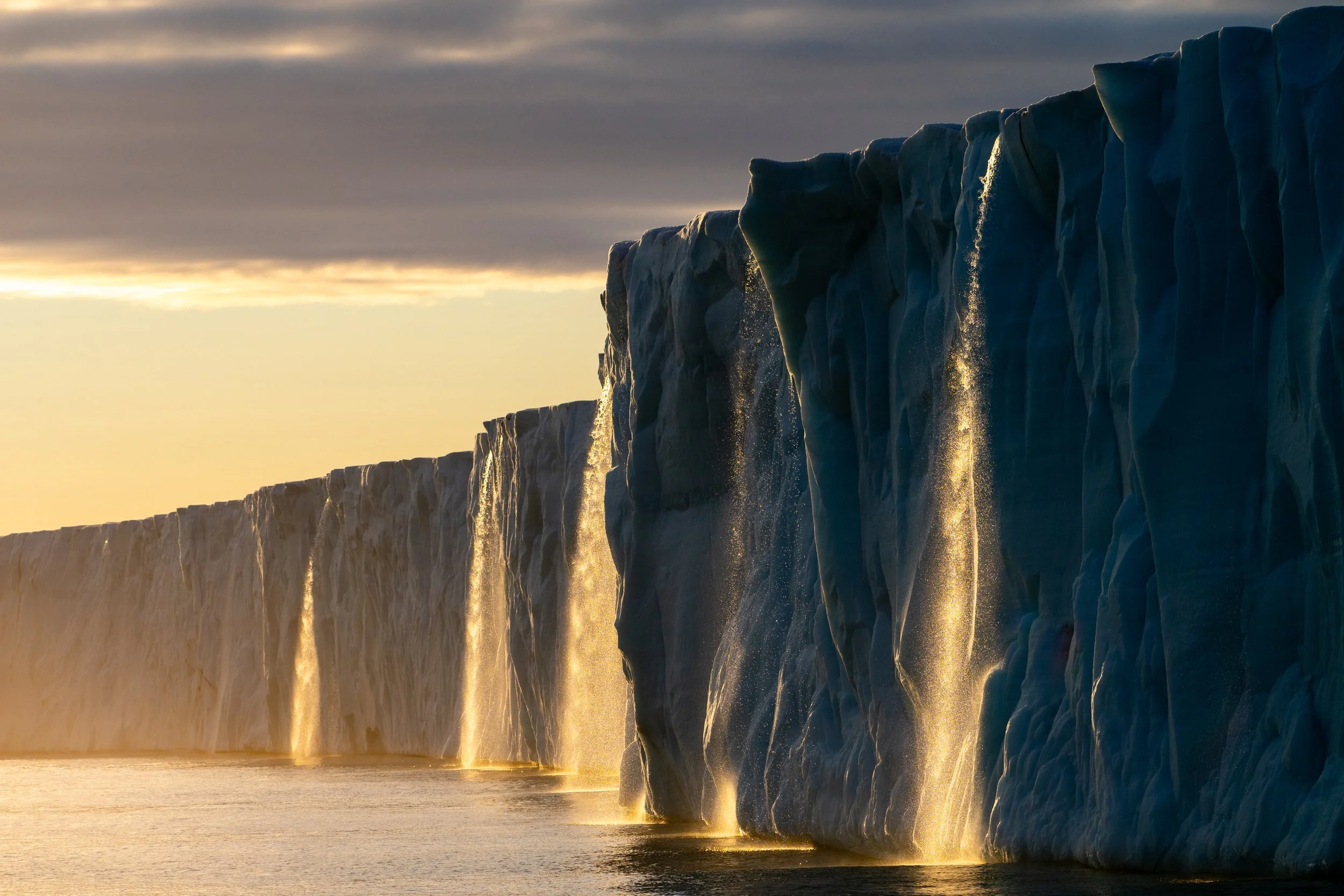
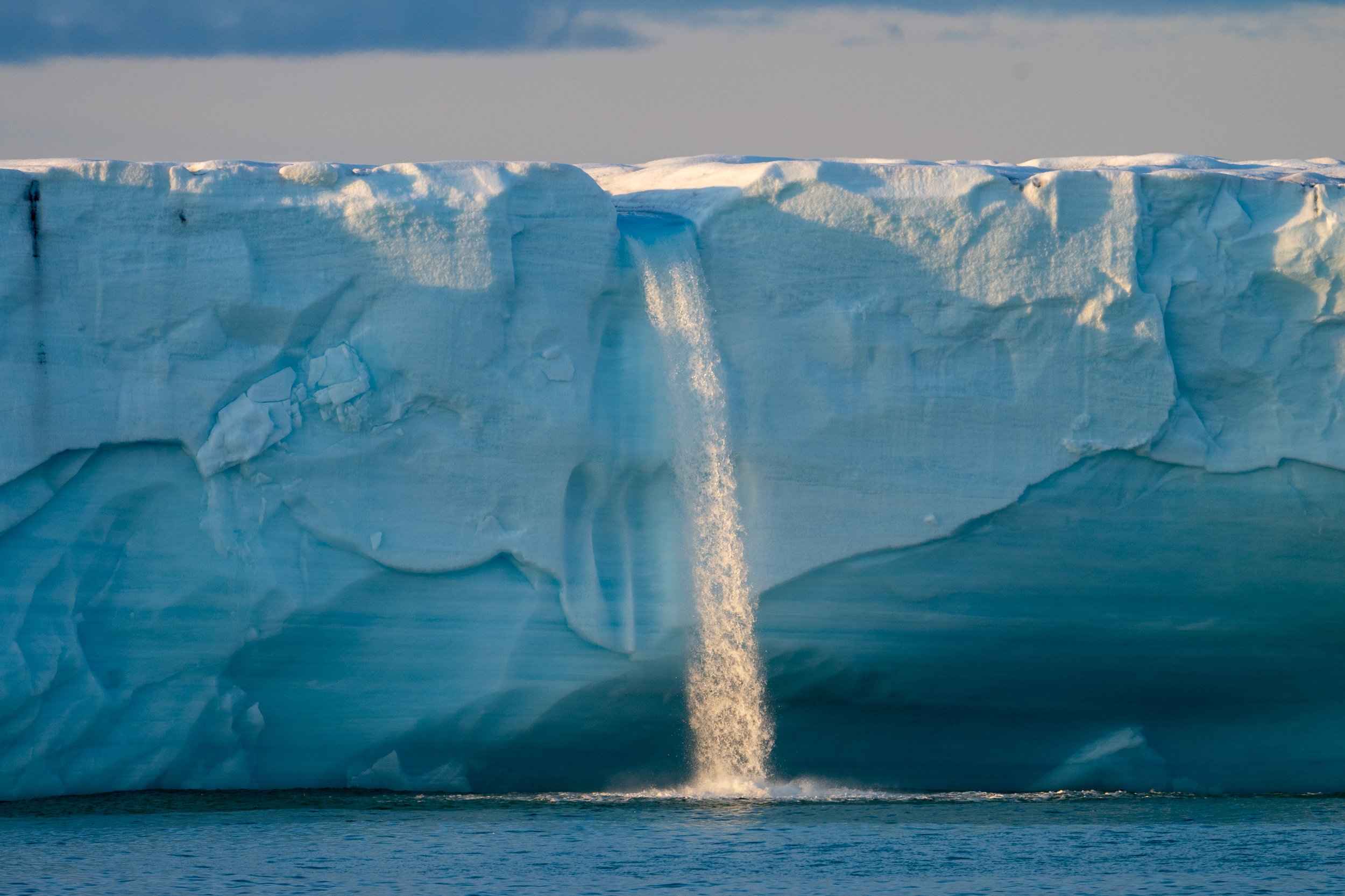
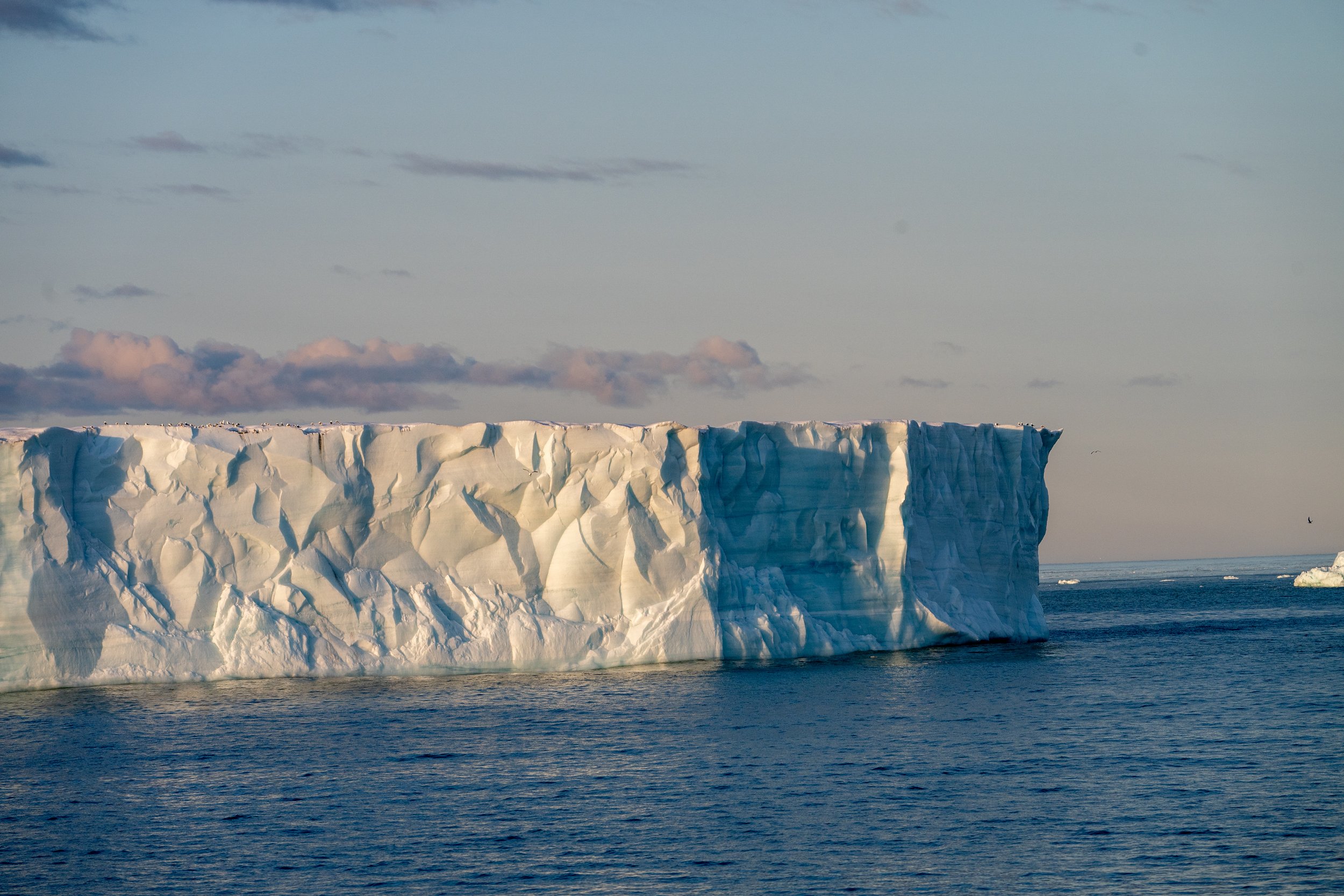
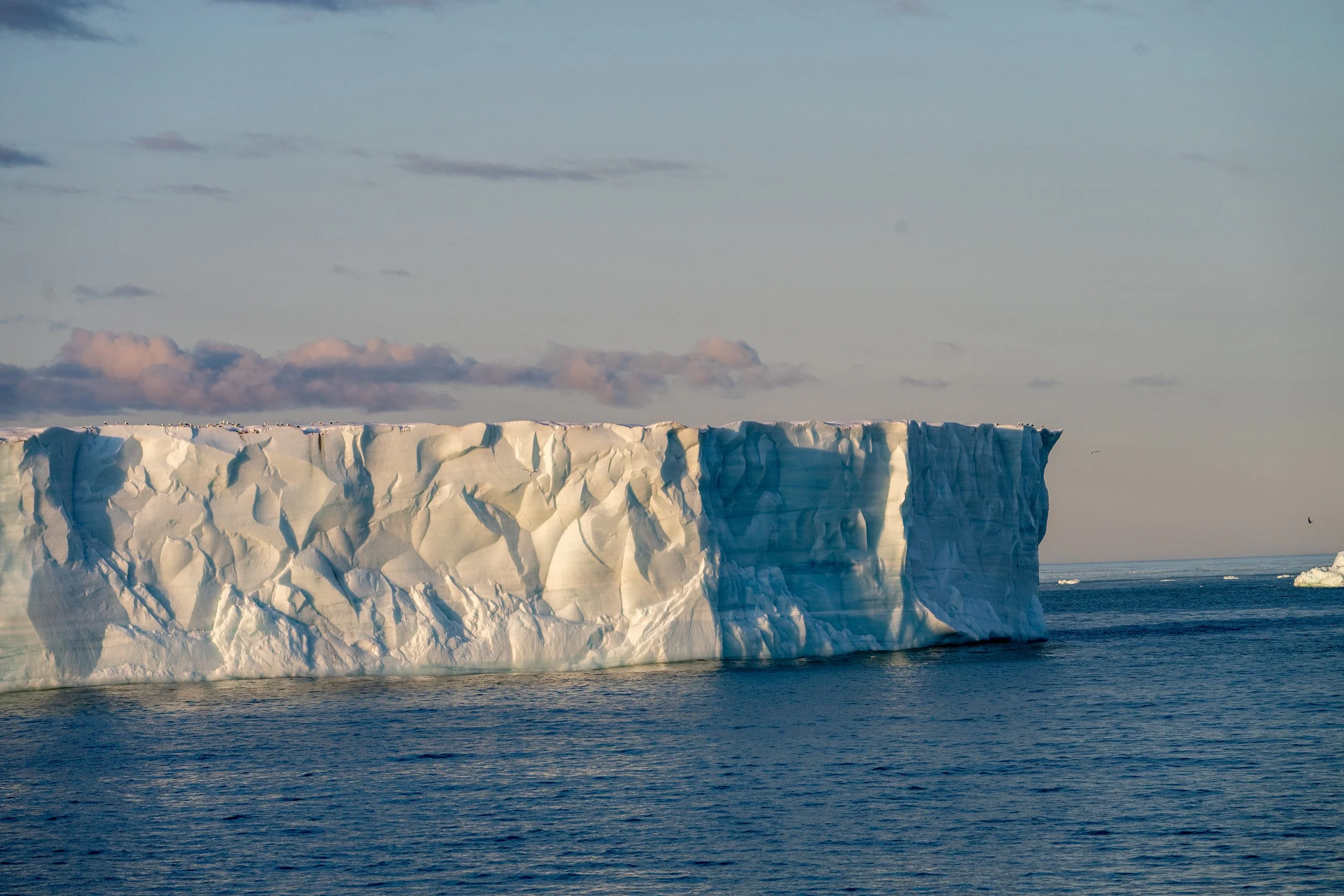
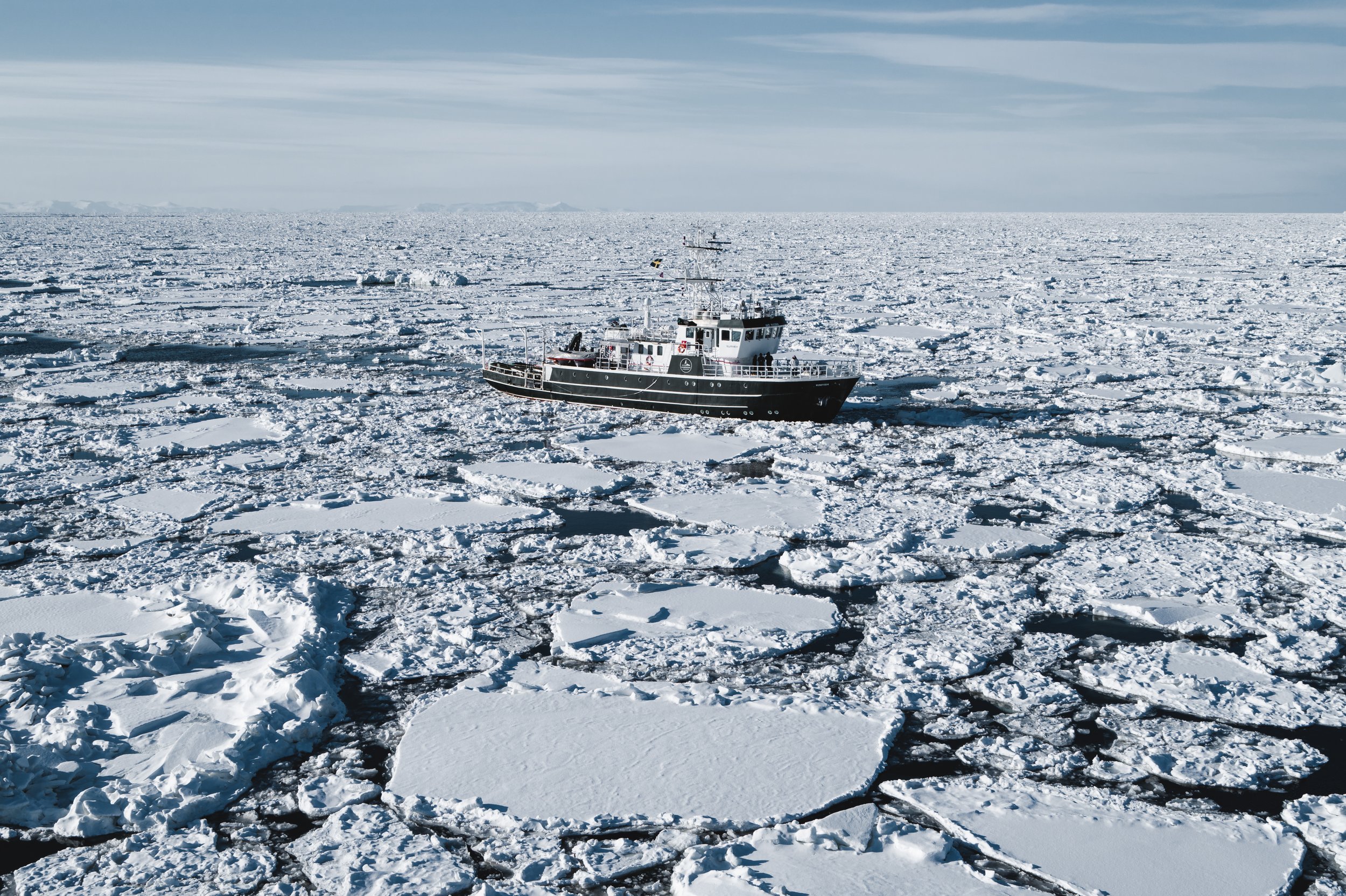
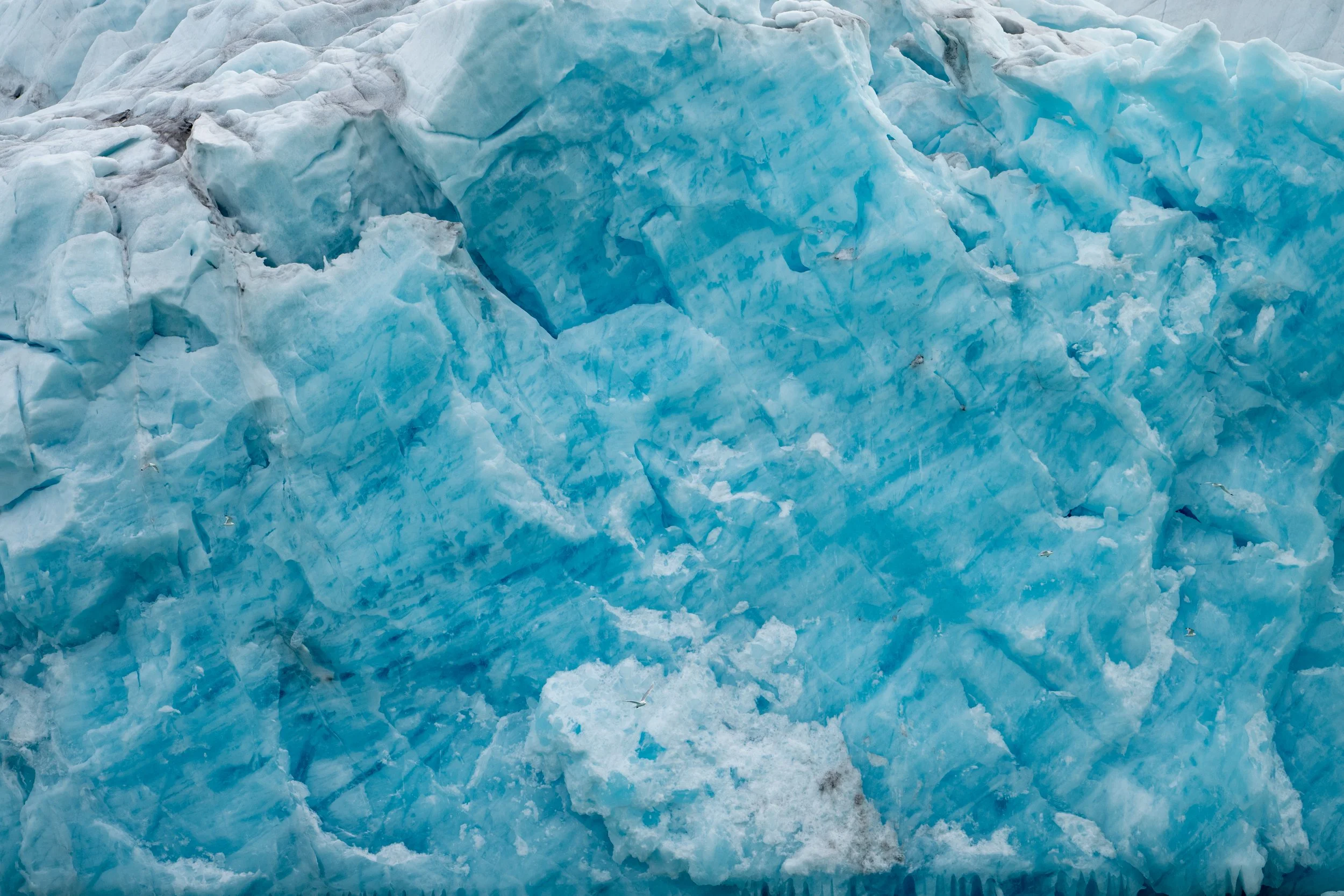
On this expedition, we’ll discover the fascinating world of Spitsbergen. The unique coastline captivates with its rugged mountains, brilliant blue ice, and impressive glacier fronts. But we want to go further: aboard our expedition ship, we’ll sail into the pack ice, where an endless world of snow and ice awaits us.
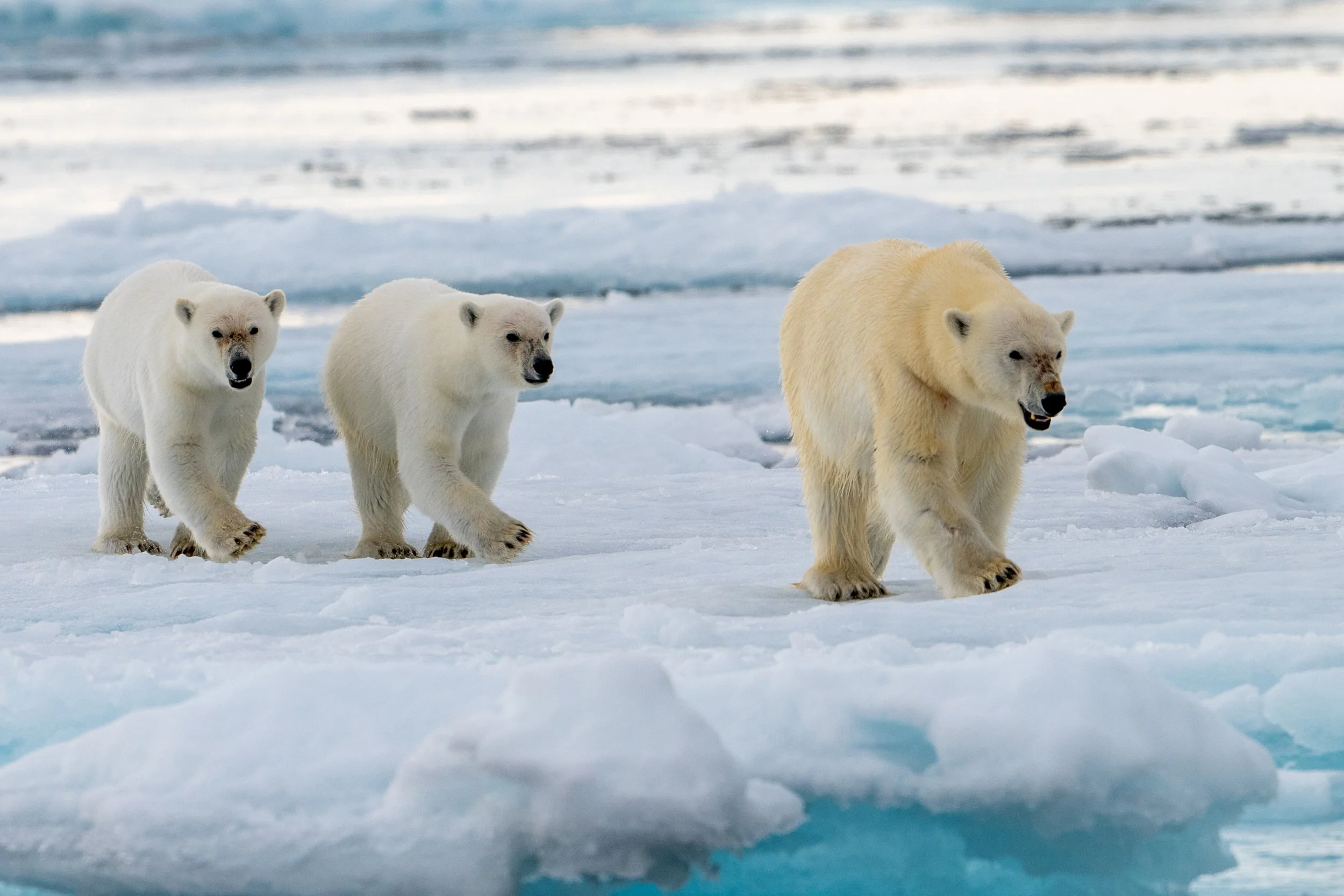
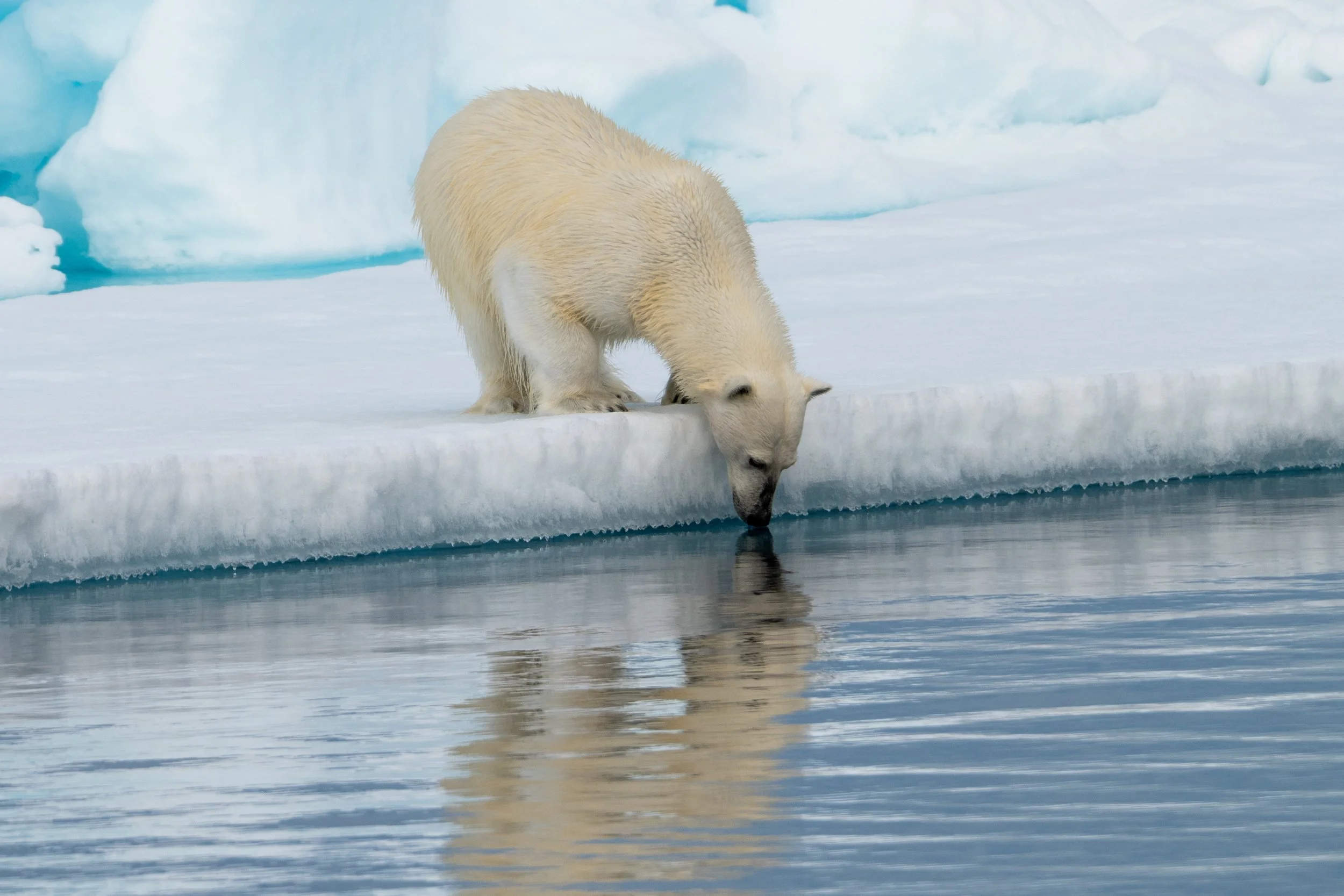
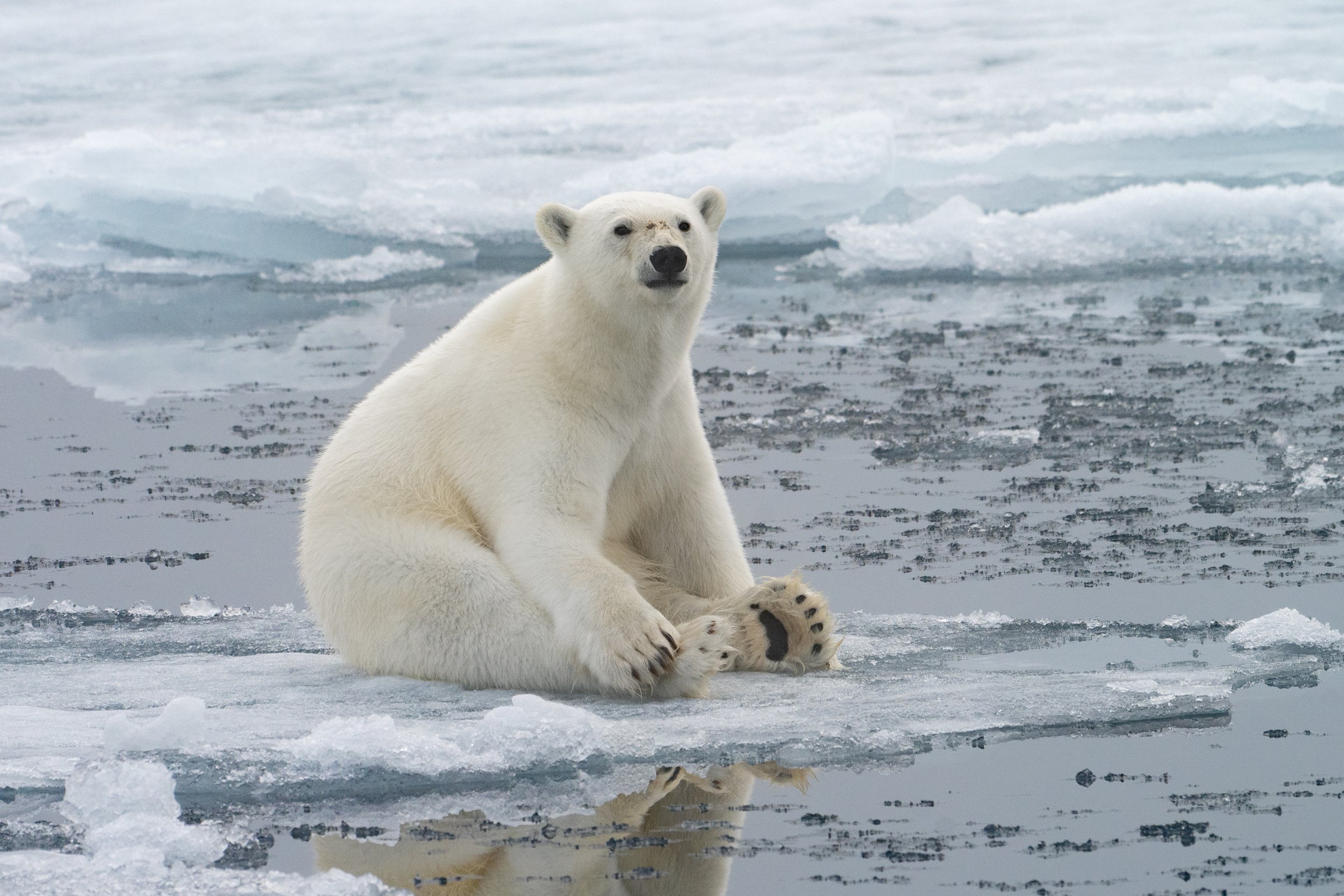
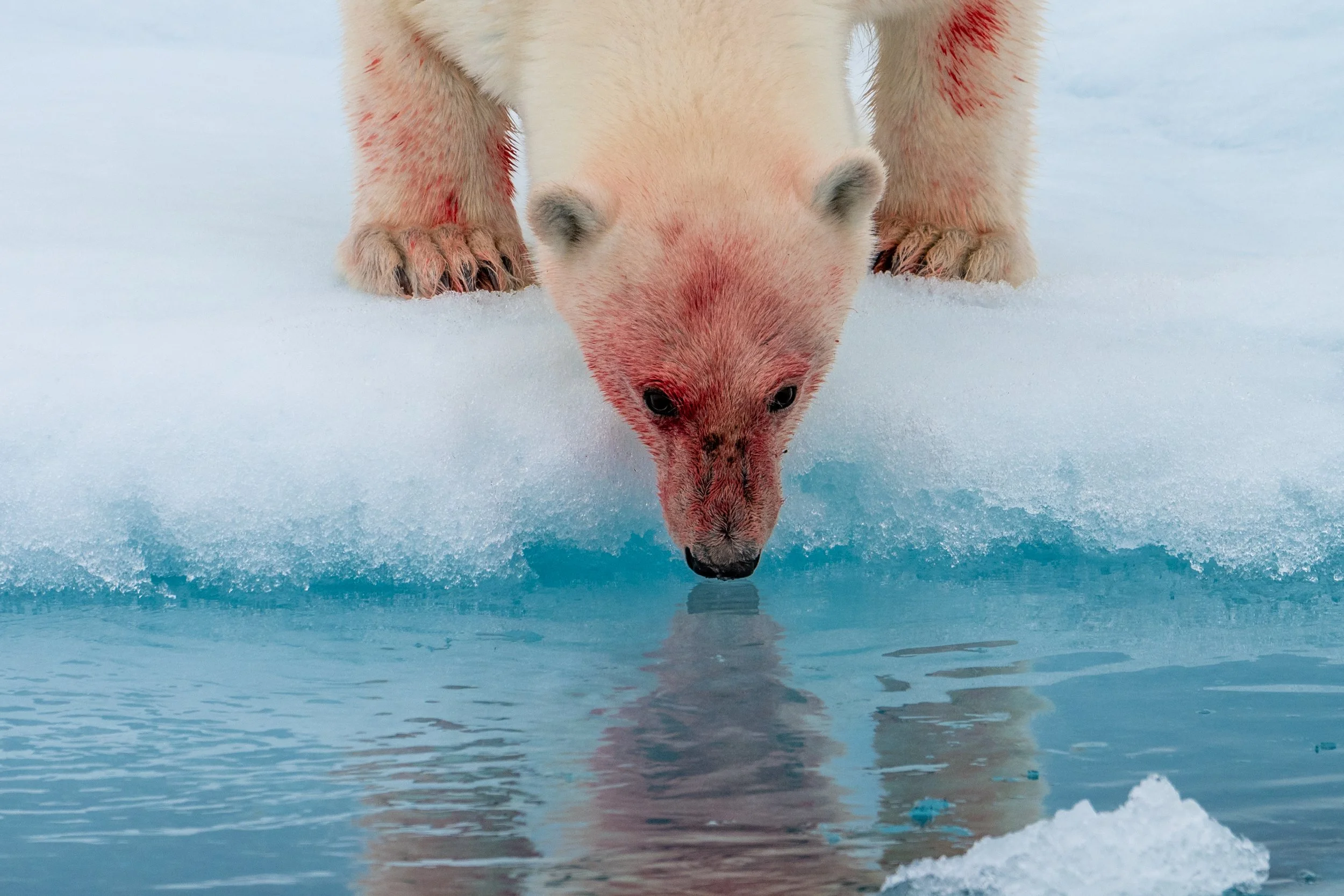
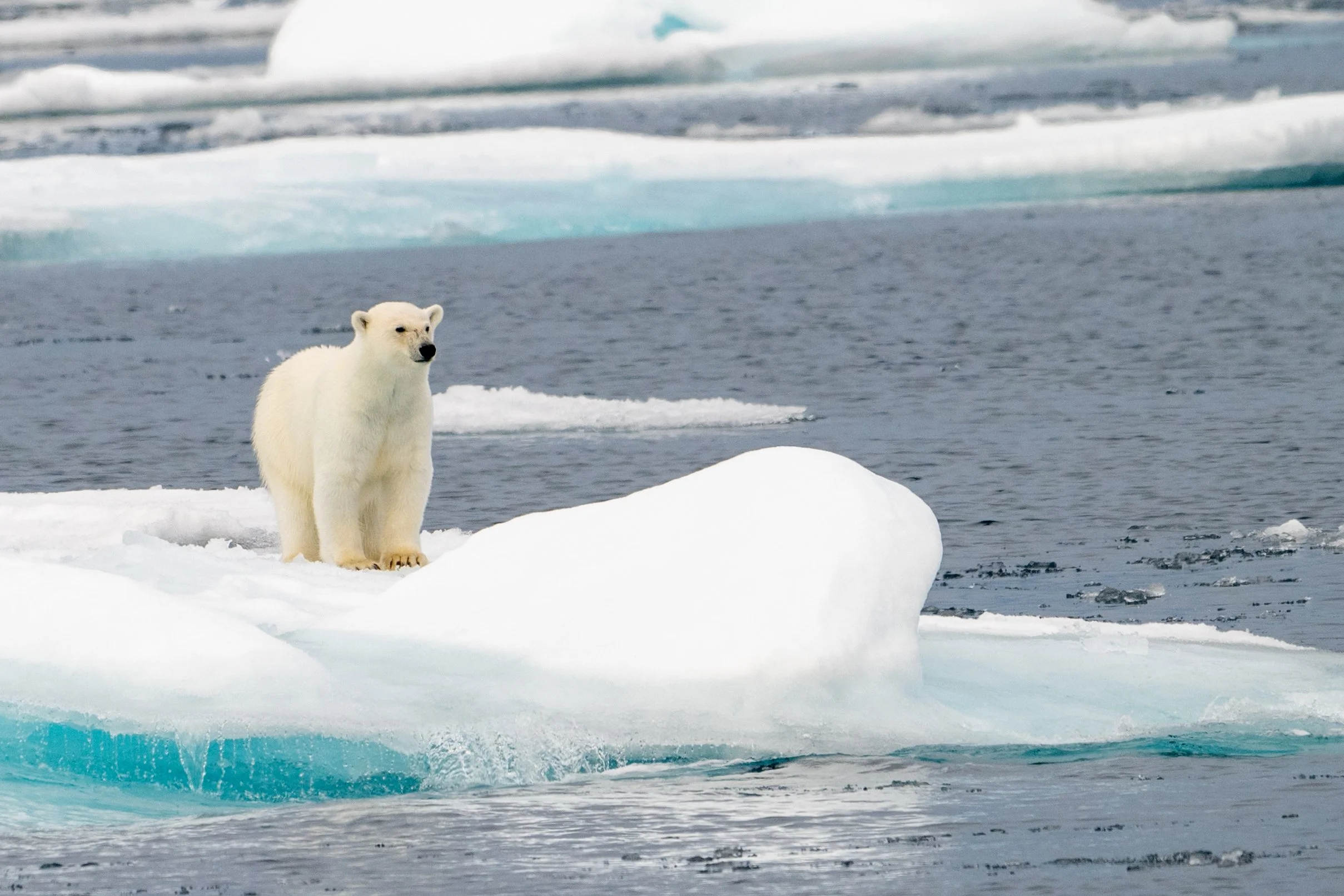
And this is exactly where we have the chance to witness some of our most exciting encounters: Polar bears roam the ice in search of seals and often even come close to our ship!
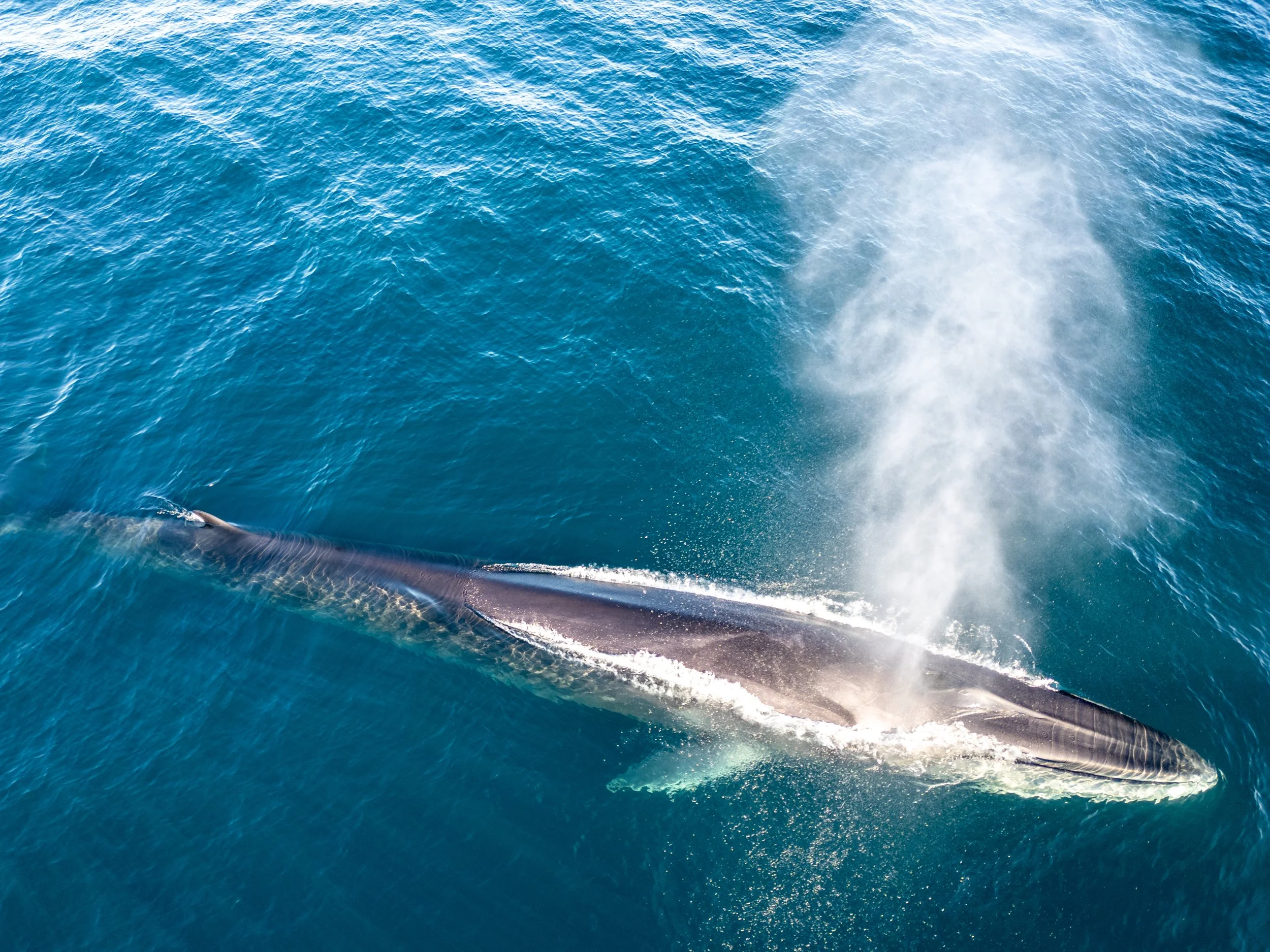
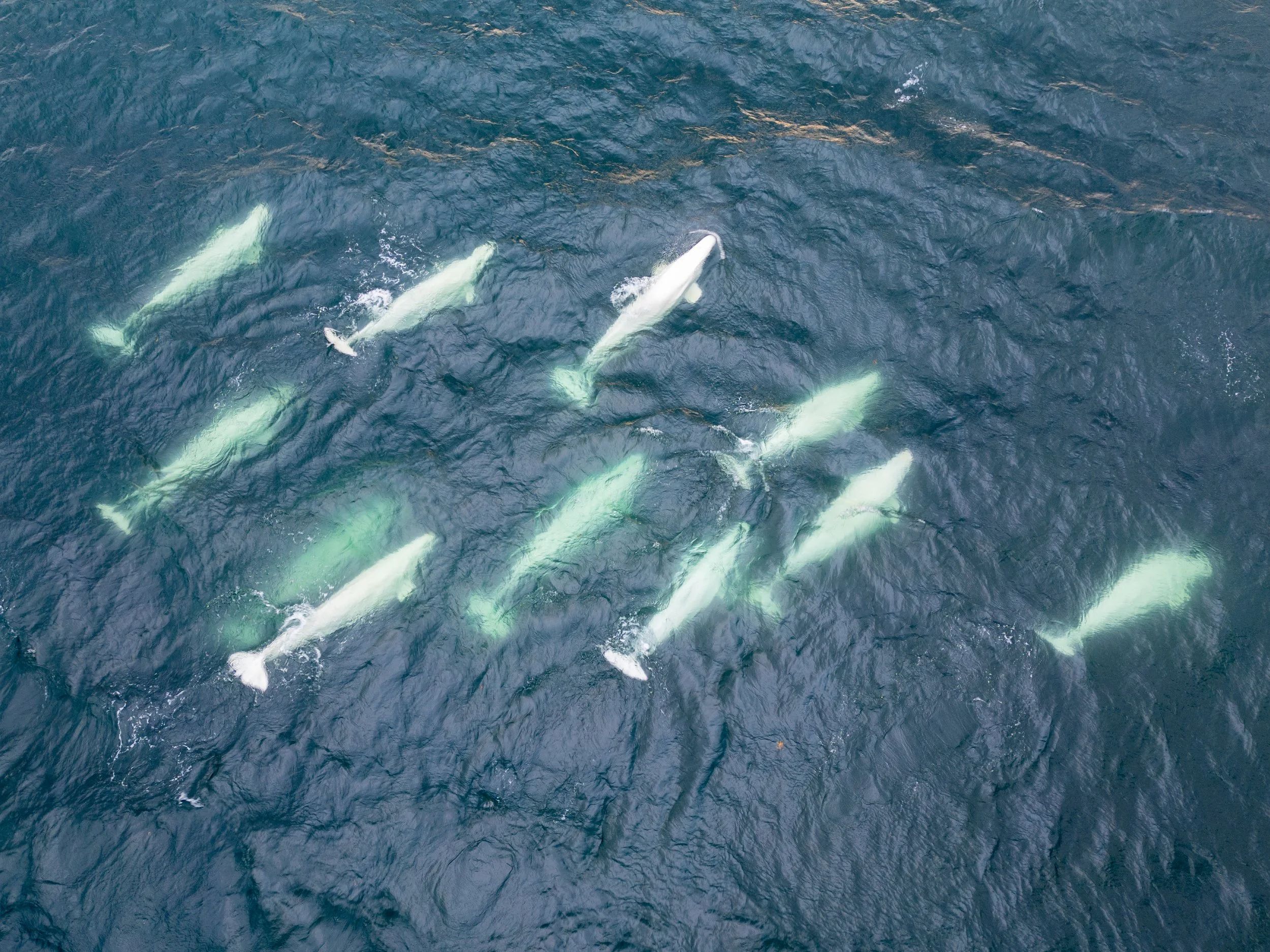
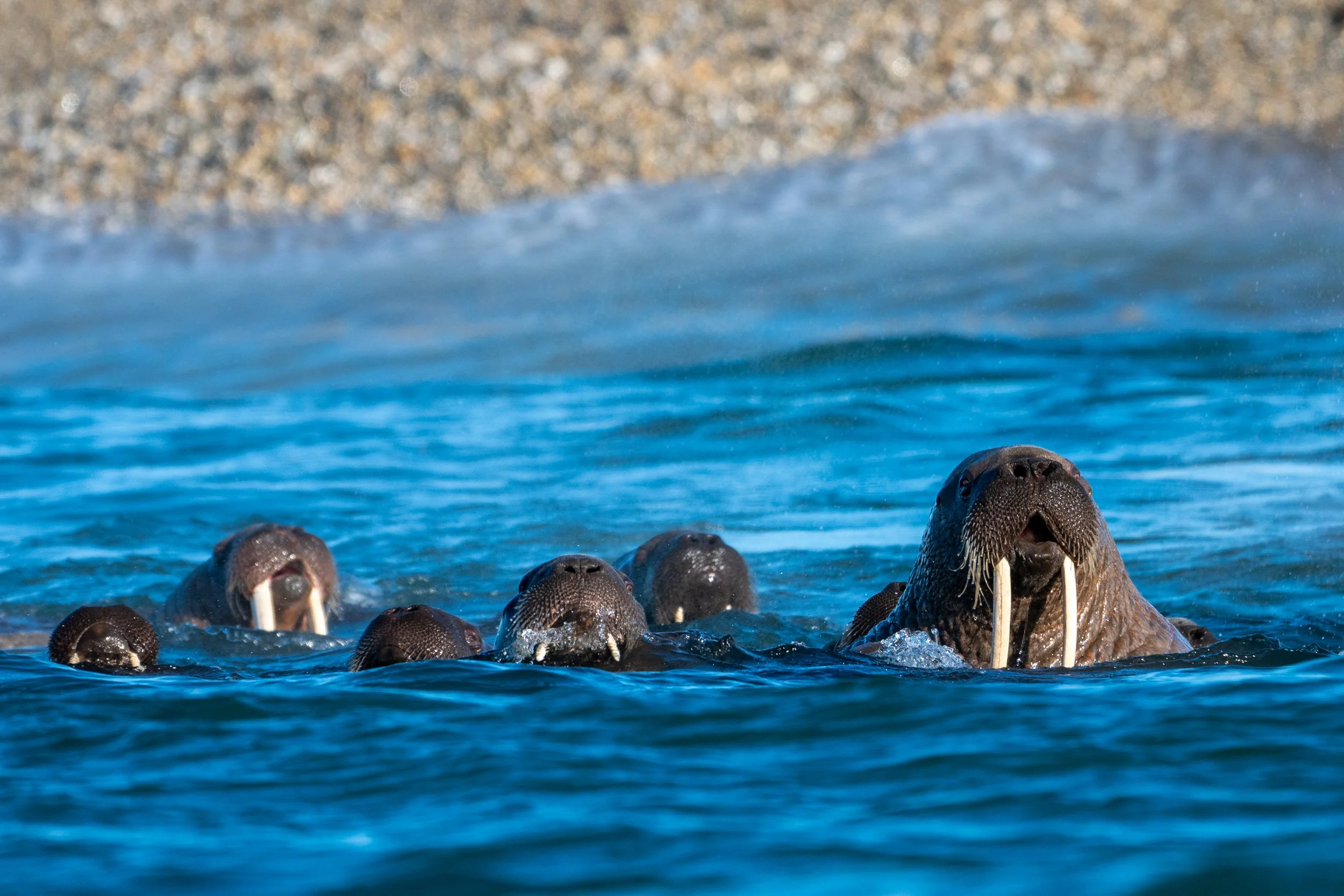
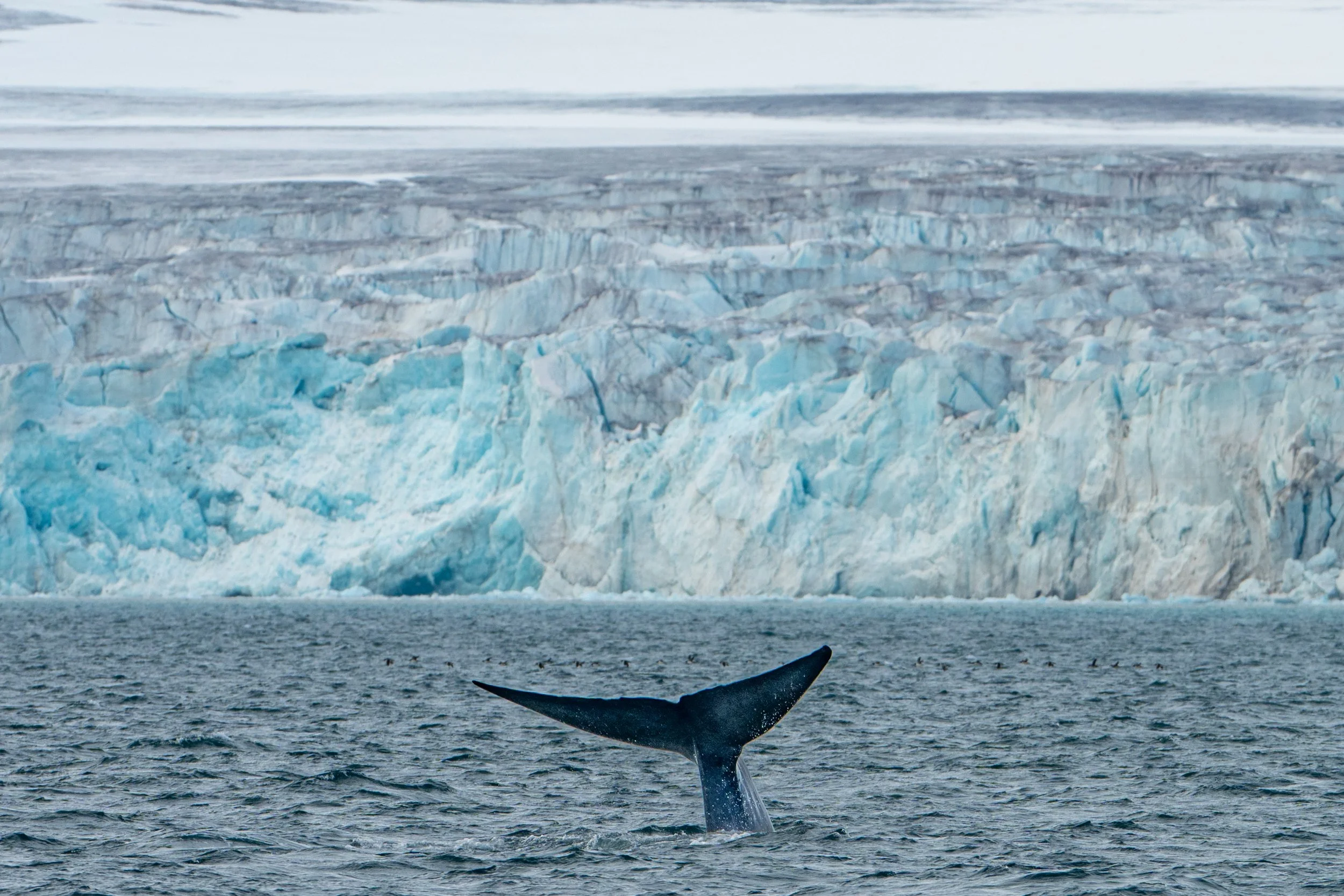
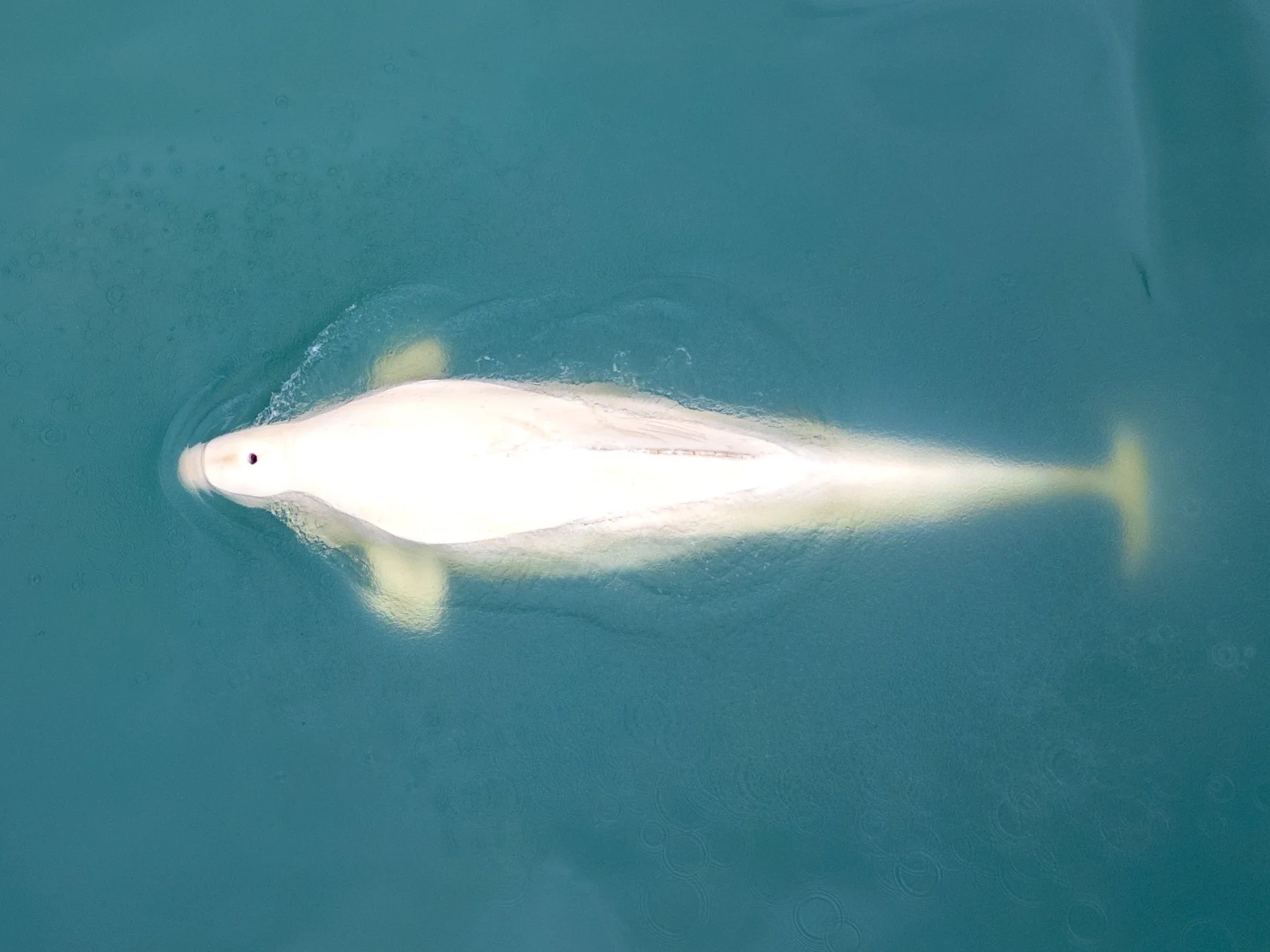
As we cruise along the coast, we’ll also be on the lookout for walruses, as well as belugas, blue whales, fin whales, humpback whales, and minke whales. We’ll also stop at a steep cliff where tens of thousands of guillemots are nesting!
Our accommodation for the entire trip is an expedition ship, the R/V Kinfish. With only 12 guests on board, we remain flexible and can enjoy in-depth wildlife viewing far from mass tourism. A journey to one of the last great wilderness regions on our planet!
The Animals
One of the main goals of this trip is to encounter the king of the Arctic—the polar bear! Few animals embody the power and wildness of the Far North as impressively as the polar bear. In particular, observing these majestic animals in the midst of the pack ice is one of the highlights of any Arctic expedition.
But the polar bear is by no means the only fascinating inhabitant of this Arctic wilderness. We are constantly amazed by how many different species have found a home in this seemingly hostile environment.
In August, the chances of spotting various species of whales foraging in the nutrient-rich waters off Svalbard are particularly good. With a little luck, we might even encounter the largest animal on Earth—the blue whale, which can sometimes be found here in astonishing numbers. Belugas, fin whales, humpback whales, minke whales, and bowhead whales may also cross our path.
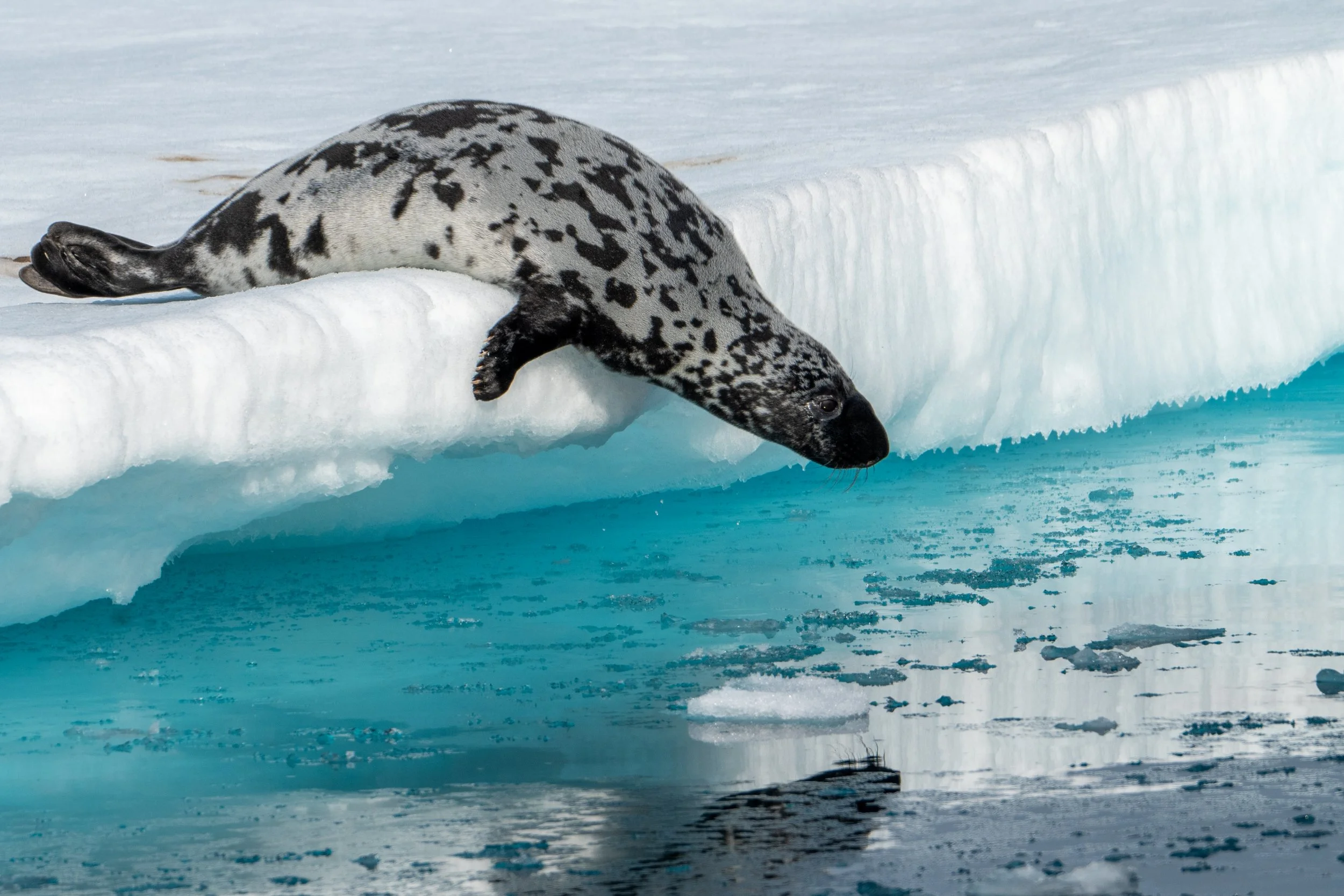
In addition, there are numerous seals and—when conditions are right—walruses, which we can observe up close from our small Zodiacs.
Svalbard’s birdlife is no less impressive. A particular highlight is Alkefjellet, where tens of thousands of thick-billed guillemots nest on the steep cliffs. Together with puffins and numerous other seabirds, they create a unique natural spectacle here.
Accommodation & Catering
While we're in the Svalbard area, the R/V Kinfish is our home. This comfortable expedition ship offers the perfect base from which to explore the Arctic wilderness.
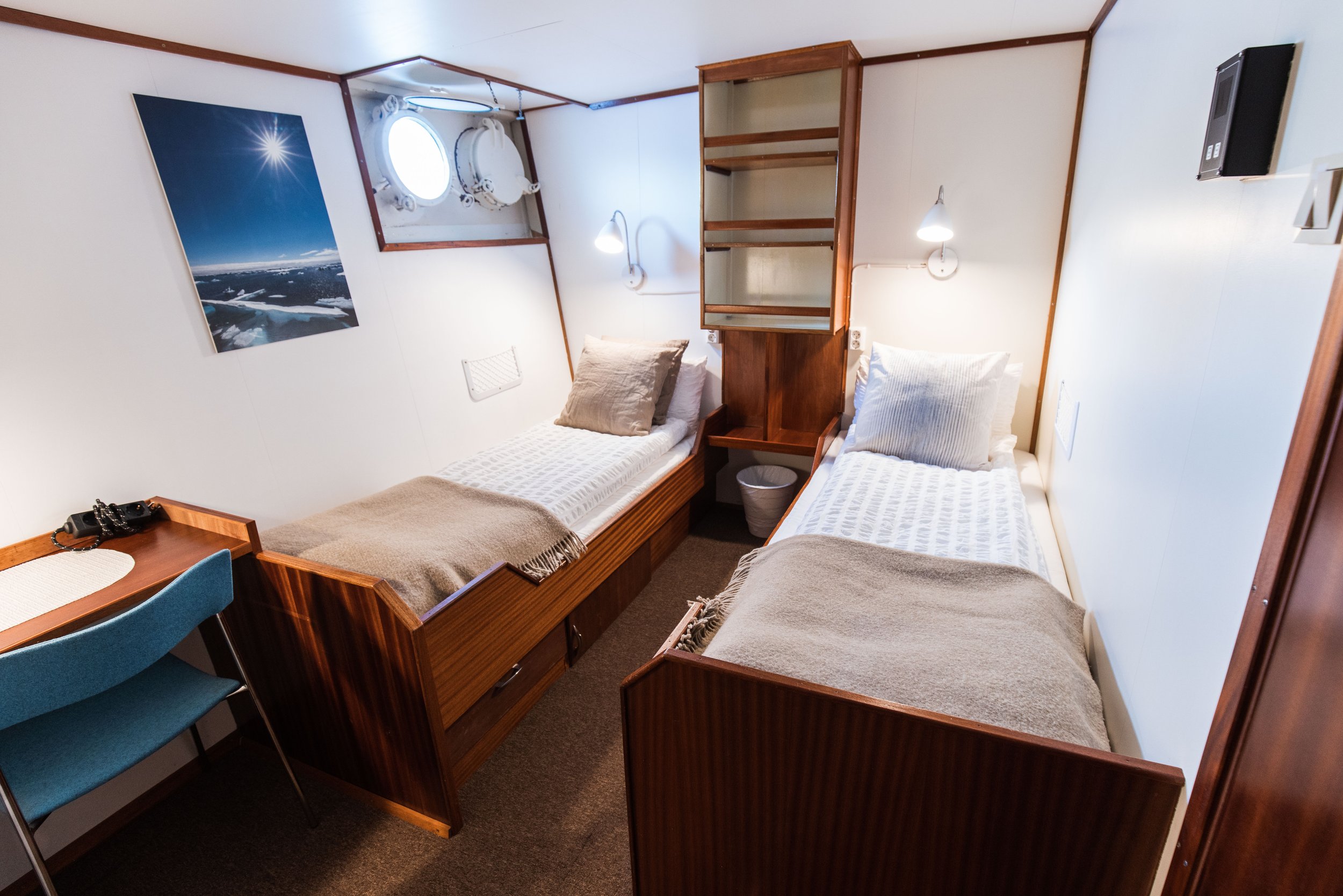
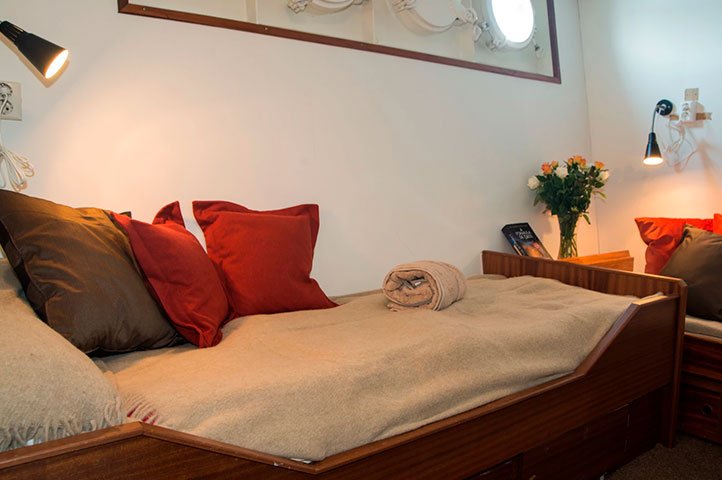
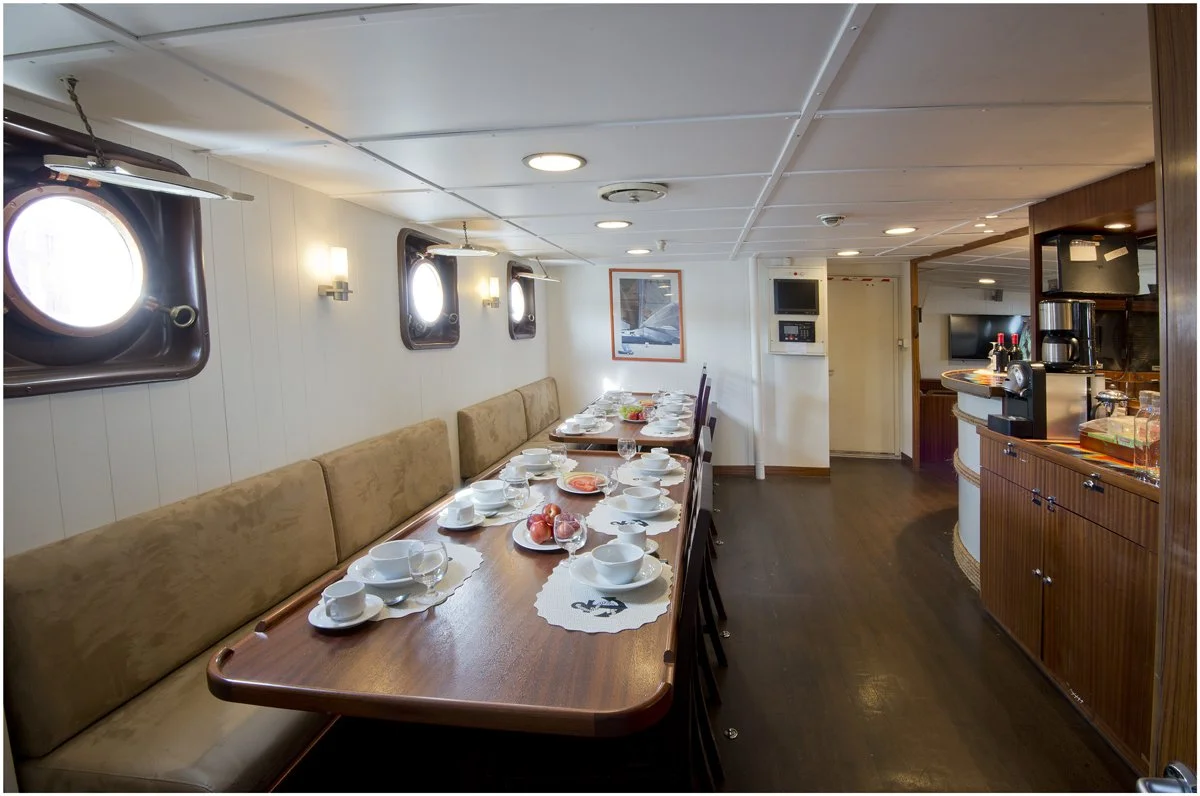
Our guests are accommodated in six cozy double cabins with small bathrooms. All meals are freshly prepared with great care by our kitchen team in the dining room. We are, of course, happy to accommodate individual food sensitivities and intolerances.
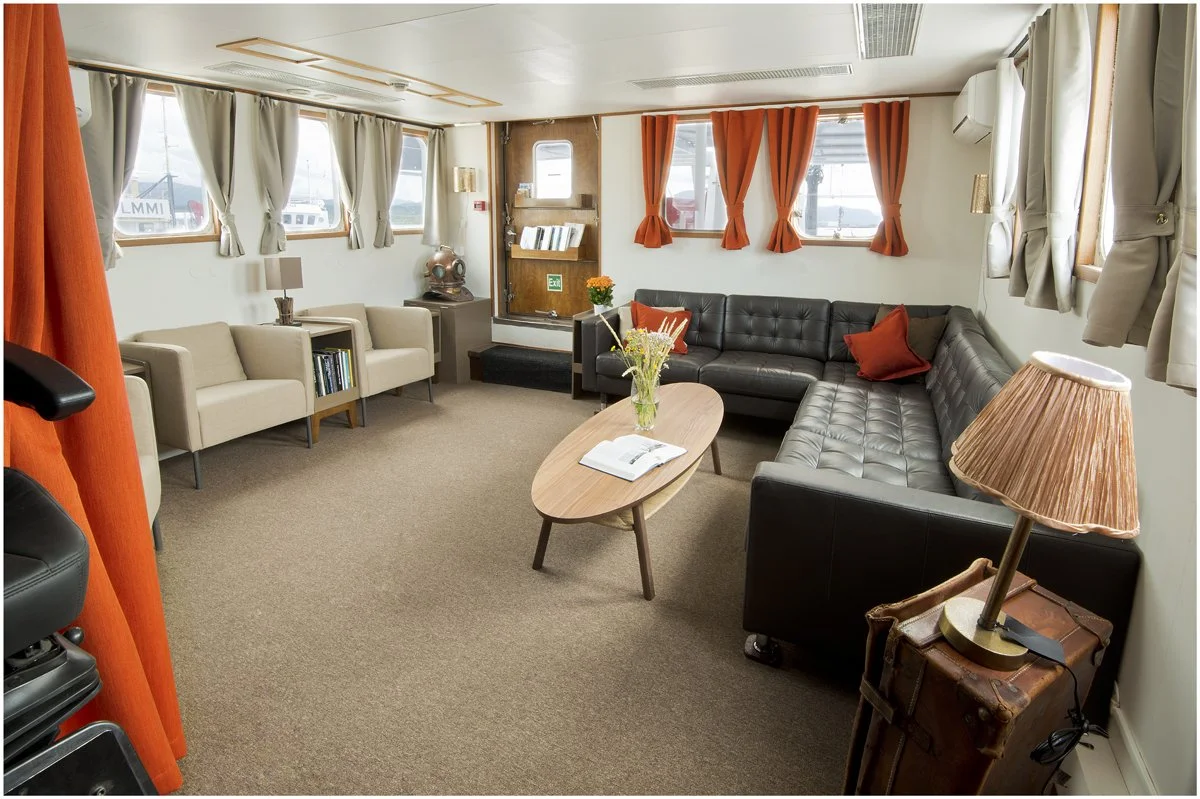
In the cozy lounge, we can wind down at the end of the day, reminisce about our experiences together, read, or watch a movie.
There is plenty of space on several decks to enjoy the fresh Arctic air and watch the passing scenery. There is also ample storage space for cameras and photography equipment.
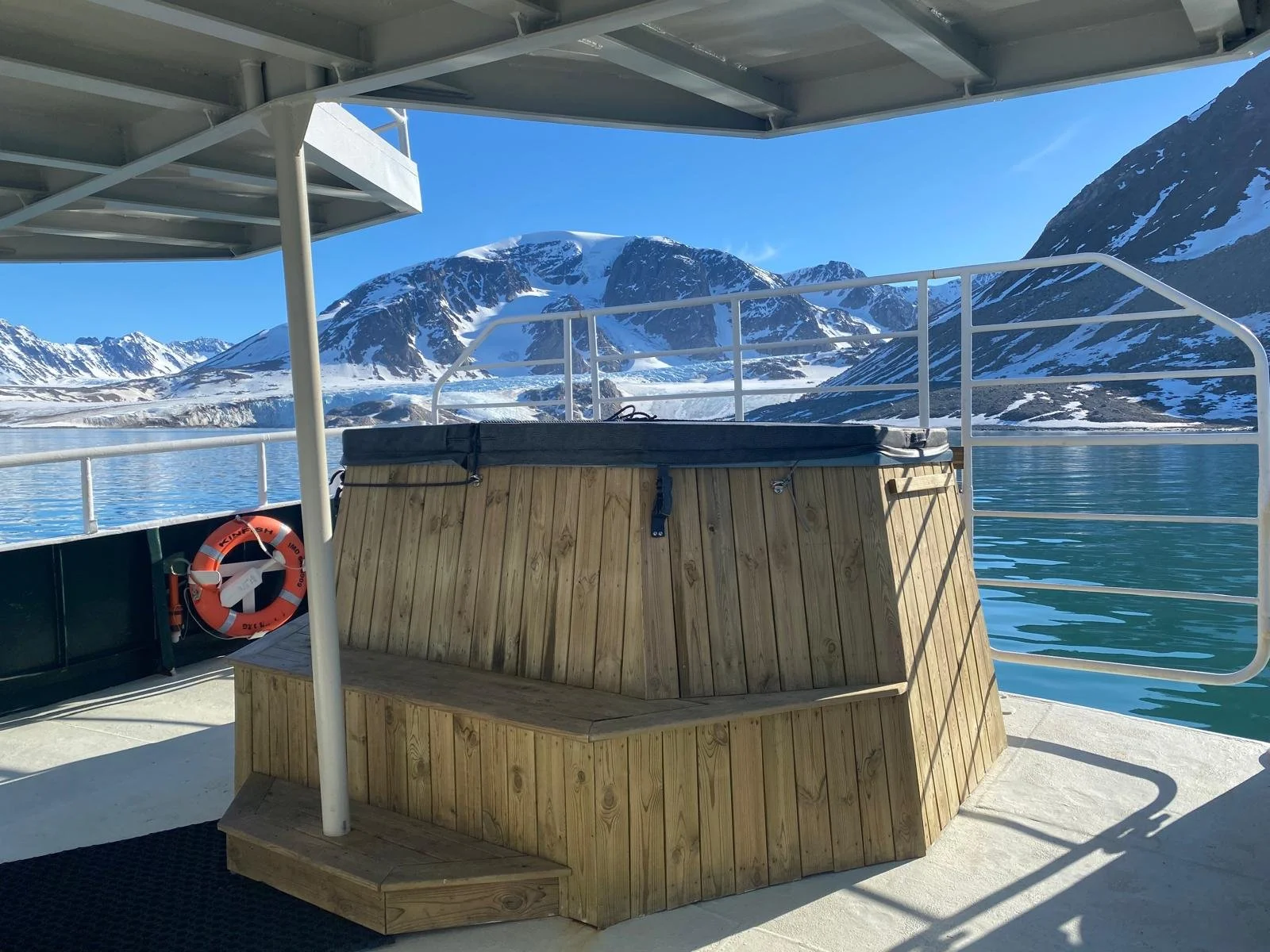
A special highlight on board is the hot tub: As the ice floes drift by all around us, we sit in the warm water and enjoy the unique atmosphere of the Arctic.
Daily Programme
Day 1: We’ll meet in the early afternoon at the Longyearbyen harbor to check in on the R/V Kinfish. After settling into our cabins, taking a tour of the ship, and attending a briefing, it’ll soon be time to “Cast off!” and we’ll sail westward through the Isfjord and then northward along the west coast!
Days 2–9: The weather around Svalbard can change quickly, so we’ll only draw up a rough itinerary for our trip. Our goal will be to sail north along the fjords of Svalbard’s northwest coast toward the pack ice to increase our chances of seeing polar bears. In the second part of the trip, we’ll try to reach the bird cliffs of Alkefjellet and one of the largest ice masses on Earth, Austfonna. We also plan to take 1–2 shore excursions to old whaling stations and beaches.
Last but not least, we have to head back to Longyearbyen, where we'll dock again in the late afternoon of Day 9.
Day 10: After breakfast, we leave our home, the R/V Kinfish. We'll be happy to drive anyone with a flight to the airport. For those staying in Longyearbyen, we'll drive you to your accommodations.
Equipment & Photography
Isn't the Arctic incredibly cold? Only to some extent! In August, temperatures in Svalbard are usually around freezing. But when the sun comes out, the thermometer can definitely rise to +10 °C. Of course, you'll want to pack good, warm, and—above all—windproof clothing!
For photographers, this trip offers countless opportunities. We recommend bringing as many cameras and a variety of lenses as possible so that you’re fully prepared for every encounter. Even a small action camera can capture exciting perspectives. Be sure to pack plenty of batteries and memory cards as well. There’s also plenty of room on deck for a tripod. Depending on the region and current regulations, we may also be able to use our drones. This allows for spectacular shots, especially over the pack ice: our ship, surrounded by endless ice floes, bathed in the unique light of the far north—simply magical!
And how calm is the sea? In the pack ice, the sea is often surprisingly calm. On our trips across open water, however, it can definitely get a bit choppier at times. If you’re prone to seasickness, you should therefore bring appropriate medication just to be safe.
Contact us
Are you convinced yet, or do you have any questions? Feel free to reach out to us via the contact form below, WhatsApp (+41765811893) or email (info@mobywildlifetours.com).